The aircraft doors open, and half the cabin stands before the seatbelt sign has finished chiming. That rush reflects a common belief about arrivals: that getting off the plane first is the thing that determines how quickly you clear the terminal. It rarely is. The binding constraints usually sit further downstream — passport control, a checked bag that hasn't reached the belt, a pickup loop with its own rules — and the few minutes saved in the aisle are often spent standing at a carousel anyway.
What actually determines a calm arrival is preparation done before landing: documents within reach rather than in the overhead bin, a written sequence for the terminal, and a pickup plan that assumes variability instead of promising precision. This piece sets out that preparation in order, marks what varies by airport, and flags what to confirm with official sources. For a general orientation to arrivals planning, {{AWIN_MERCHANT_LINK_1}} covers document organisation and terminal sequencing in broad strokes.
Why the First Off the Plane Isn't the First Through the Terminal
Arrival order at the belt is a weak predictor of exit time. The stronger variables are aircraft stands and walking distance, whether a flight is the first of several to reach immigration at once, and whether your checked bag is in the first container unloaded. A traveller who walks briskly from a remote stand can still wait twenty minutes at a carousel because container loading order, not passenger speed, governs delivery. None of these can be reliably forecast from a seat number.
There is a counterintuitive corollary worth internalising: for travellers with checked bags, moving slowly and deliberately through the terminal often produces the same exit time as hurrying, with far less friction. The bag is the metronome. If you have carry-on only, speed does matter — and that's a booking decision, not an arrival-hall decision.
Consider a concrete case. A family of four lands at a large hub on a long-haul service, with two checked bags, a stroller, and a connecting pickup arranged by a relative. Their realistic bottlenecks are, in order: a passport check queue that depends on how many wide-body arrivals coincide; a baggage belt shared by two flights; and a curb where private vehicles may wait only briefly before being moved on. Each of those is a point where a fixed assumption ("we'll be out by 10:15") fails. A plan built as a sequence with buffers survives; a plan built as a timetable doesn't.
Documents, Timing, and Terminal Sequence: A Preparation Plan
Work through this before departure day, then again on the flight. Treat every time-related item as a window with a buffer, not a commitment.
- Keep entry documents on your person, not in the cabin bag overhead. Passport, any visa or entry authorisation, and arrival forms should be accessible without standing up. Border requirements vary by nationality, route, and transit points — verify them with the destination's official border or immigration authority and your airline, not with forum posts.
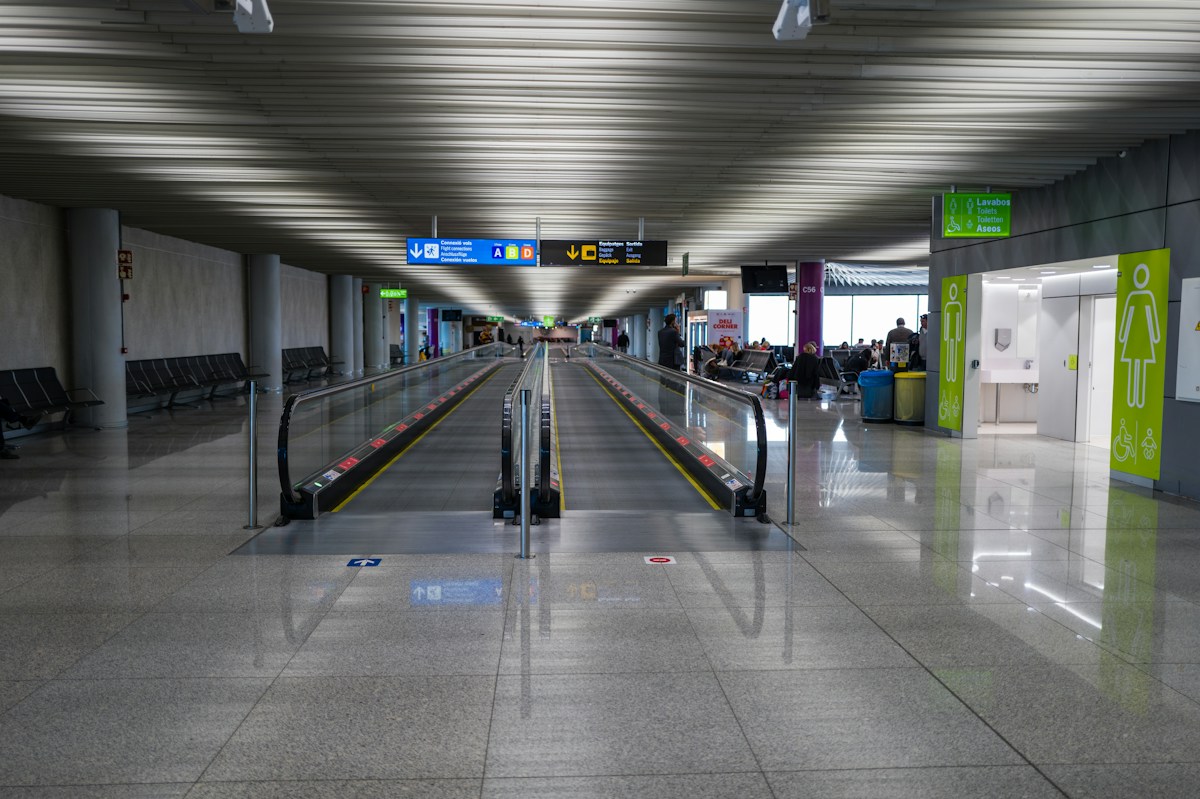
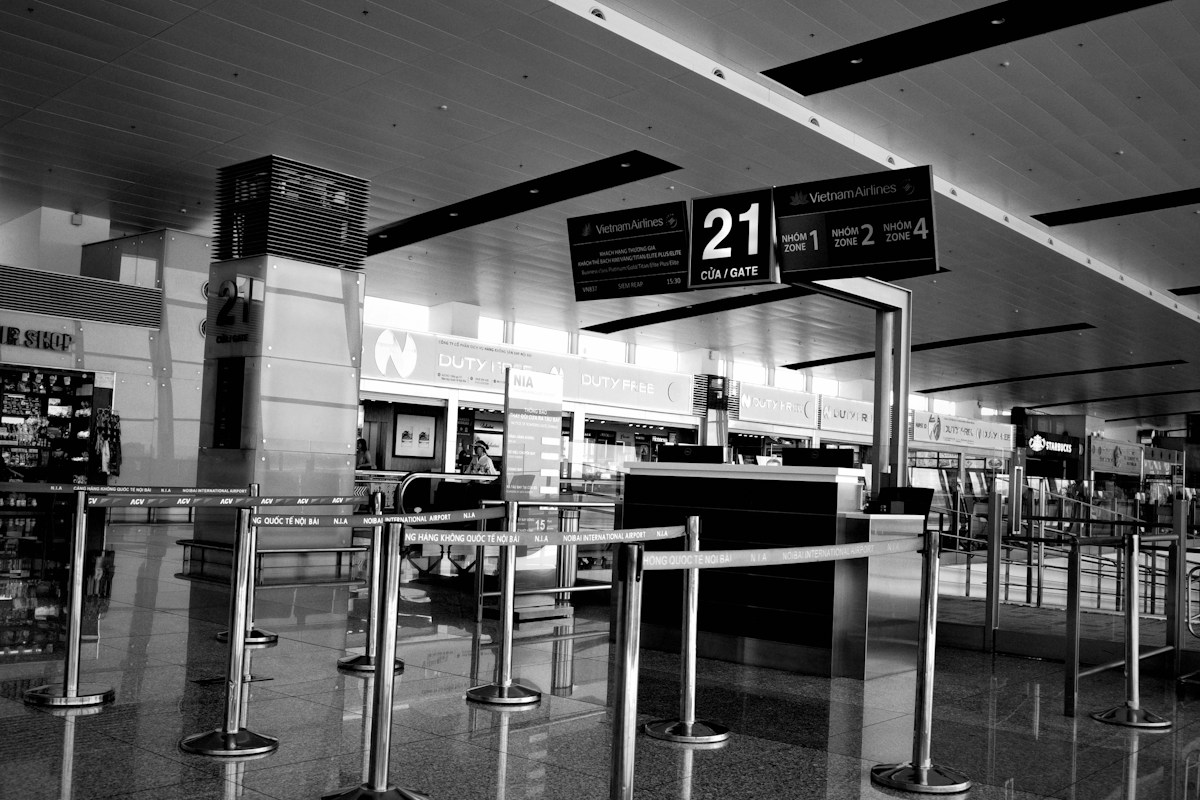
- Write the terminal sequence down. Most arrivals follow a fixed order: deplaning, a walk to the immigration hall, passport check, baggage reclaim, customs, then landside. Knowing the order means each queue is expected rather than a surprise. Airport websites publish terminal maps; check yours for the arrival level and the location of the exits you'll use.
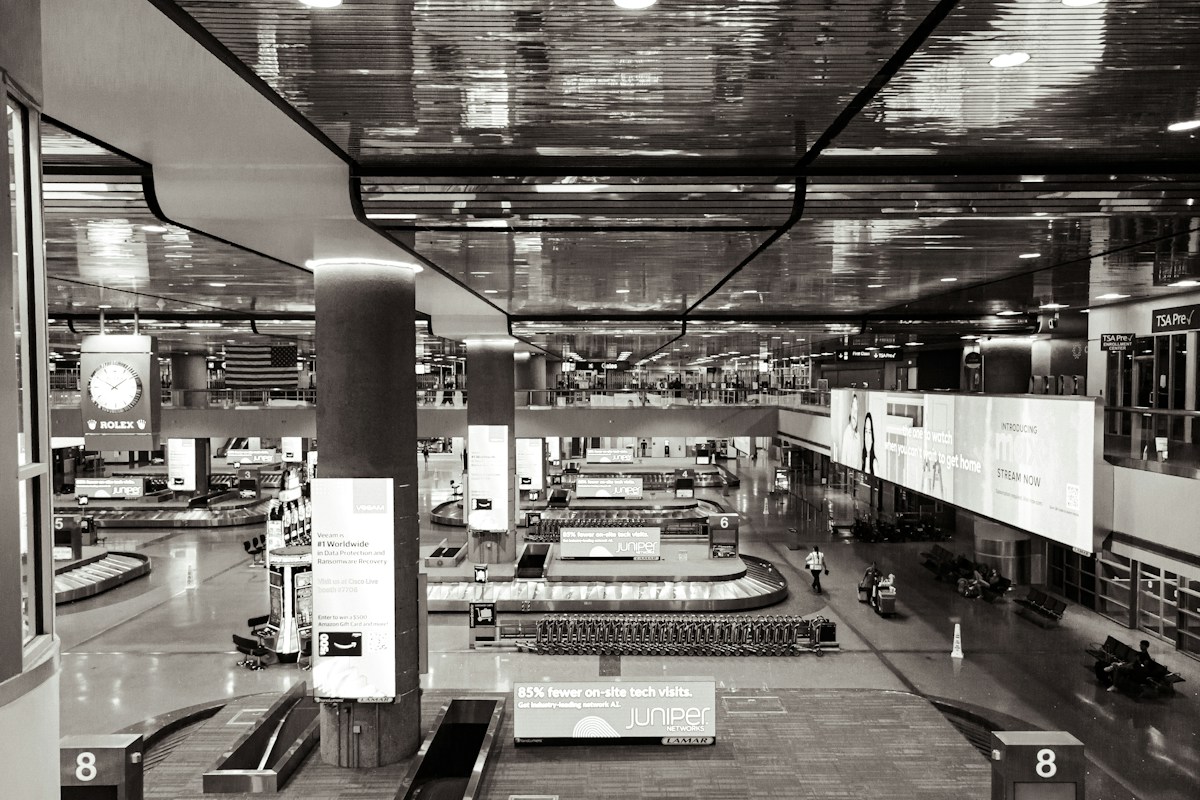
- Identify your belt before you queue. Belt allocations appear on arrivals screens after the flight lands. If two flights share a belt, expect a longer dwell; that's a reason to build buffer into a pickup, not a reason to worry.
- Plan the pickup as a communication protocol. Agree a meeting point by name — an arrivals-hall pillar, a specific exit number, a designated meeting zone — and agree a check-in message for the moment you clear customs. Private-vehicle pickup rules differ sharply between airports: some allow brief curbside waits, others enforce no-stopping zones or require a cell-phone lot. Confirm the rules on the airport's own site before you share instructions.
- Flag accessibility needs in advance. Wheelchair assistance, a stroller, or reduced mobility changes both the route and the timing, and most airports ask for it to be requested through the airline before travel rather than arranged on arrival. Confirm the process with the airline and the airport's accessibility pages.
- Prepare for language gaps. Save the meeting-point name and a short arrival message in the local language on your phone, and screenshot it. A screenshot works when roaming doesn't.
Timing deserves its own caution. Published airport guidance on how long immigration or baggage reclaim takes is typically a planning range, not a promise, and it varies by hour, season, and arriving flight mix. Build your pickup window around the slower end of the range. If a driver or host is collecting you, tell them the window and the check-in plan rather than a single time.
What to Verify, and What to Leave Flexible
Three categories of information should always come from named official sources before travel: entry and visa requirements (the destination's border authority), accessibility and assistance processes (airline plus airport), and pickup or parking rules (the airport operator). Airline apps and airport sites are the right places to check belt and gate information on the day; social media is not.
The reasoned conclusion here is simple. Treat the arrival hall as a sequence of predictable stages with unpredictable durations, and you'll prepare the right things: documents within reach, a written route, a communication plan for whoever meets you, and buffers that absorb the variation. That's a more useful posture than optimising for the first step off the plane — and it holds whether you arrive with a car seat on one arm and a passport in the other, or with nothing but a cabin bag and a train to catch. Confirm the specifics for your airport and status, leave the rest flexible, and the terminal becomes a place you move through rather than a place you wait in.