On a wide-body arrival at a major international hub, the walk from the aircraft door to baggage claim can run 15 to 25 minutes before a single bag appears on the belt — and the belt itself may not start moving for another 15 to 40 minutes after that. Those figures come from the IATA Airport Development Reference Manual, which airport planners use to design terminal wayfinding and baggage hall capacity. Read them as planning ranges rather than promises: they describe how airports are built, not how your specific arrival will unfold on a given Tuesday. What they do mean is that the gap between landing and leaving is mostly made of decisions you can prepare for in advance — which corridor to follow, which document to have ready, and where your pickup will actually happen.
From the Jet Bridge to the Baggage Hall: The Sequence That Varies Most
After deplaning, the order of steps depends on whether you are arriving domestically, internationally, or connecting. Domestic arrivals usually move straight from the gate to baggage claim. International arrivals add a border-control and customs stage, and the sequence of those stages differs by country: some airports screen passports before the bags are collected, others after. That single difference changes where you stand, what you carry, and how long the whole arrival takes.
Take a concrete scenario. A family of four lands at a large European hub at 07:40 after an overnight flight, with a stroller, two checked suitcases, and a connecting train booked for 10:15. Their arrival is not one task but five: border control, the baggage belt, a restroom and water stop, customs, and the walk to the train platform. Treating those as a single "get out of the airport" step is where plans break. Written down as five steps with rough time ranges attached, the plan survives a slow belt.
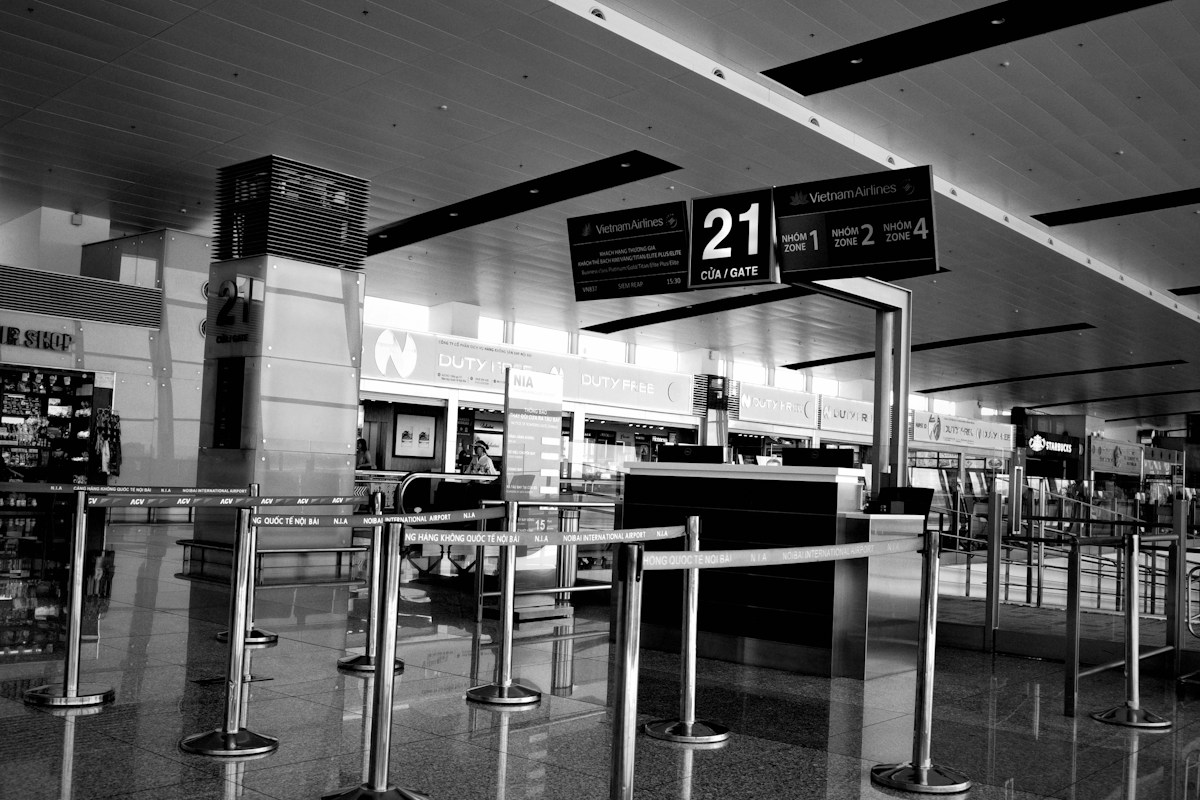
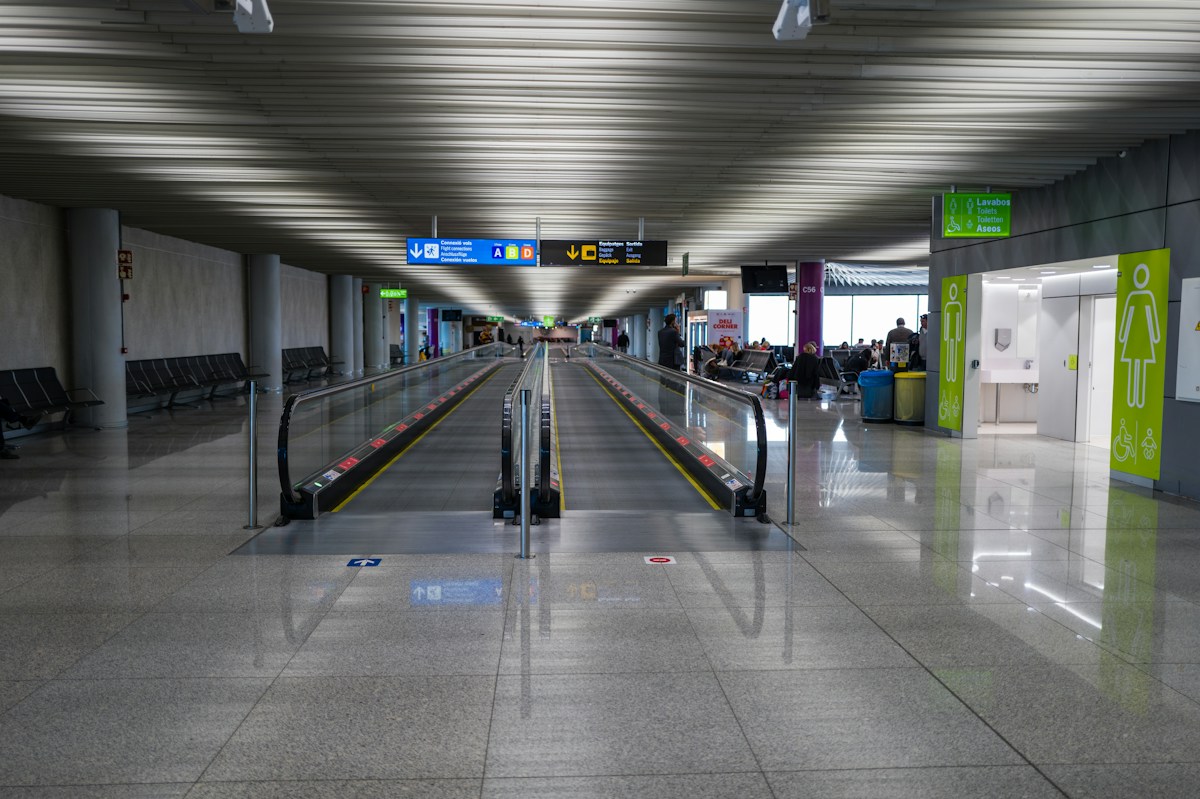
Terminal wayfinding is your main tool at each step. Signage usually follows a fixed hierarchy — arrivals, then baggage claim, then exits and ground transport — and it is worth reading the overhead signs rather than following the crowd, because a crowd can split at a junction for transfers and for arrivals without warning. If a sign is ambiguous, airport information desks and staffed help points are the correct fallback. Verify the specific layout for your airport on its official website before you fly, since terminal maps and transfer instructions are updated more often than third-party guides.
Accessibility considerations belong in this sequence, not as an afterthought. Many airports offer wheelchair assistance, accessible routes, and family or priority lanes, but these must usually be requested through your airline in advance rather than arranged on arrival. Service availability varies by airport and by time of day. Confirm the process with your airline and the airport's official accessibility page — do not assume it is automatic because the airport is large or modern.
Reading the Belt: What Baggage Claim Actually Requires of You
Baggage claim rewards preparation more than speed. Before you travel, photograph the outside of each checked bag and keep the baggage receipt or tag number with your travel documents — this is the information an airline's baggage desk will ask for if a bag does not appear. At the belt, check the flight number displayed above the carousel against your boarding pass or arrival information; airports often run several flights on adjacent belts, and bags from a similar-looking arrival can circulate at the same time.
A counterintuitive point that frequent flyers learn slowly: the first bags off a belt are not reliably the ones checked last, and priority tags do not guarantee early delivery. Loading order depends on aircraft type, container build, and ground crew logistics, none of which you can see from the hall. Build a realistic buffer into any onward booking — a train, a hire car, a meeting — rather than optimising around an assumed belt time. If your itinerary is tight, that is an argument for carry-on only, not for a tighter connection.
- Keep your passport, boarding pass, and baggage receipt accessible before you reach the belt.
- Confirm the carousel number against your flight, not against the nearest crowd.
- Check the bag's tag matches your receipt before you leave the hall.
- If a bag is missing, go to the airline's baggage service desk before leaving the secure area, and file the report there.
- For damaged bags, photograph the damage at the belt and keep the report reference.
Worth noting: many airports publish average baggage delivery times, but averages conceal the tail. Verify current figures with the airport or airline if you need them for planning; better still, plan for the tail rather than the average.
The Pickup Plan: Where Arrivals and Ground Transport Actually Meet
The most common arrival failure is not the belt or the border — it is the pickup. Arrivals halls at large airports frequently have multiple exits, and ride-hailing apps, taxis, and private transfers may each be assigned a different meeting point. Before you land, agree on a specific, named meeting point with whoever is collecting you, and agree on a communication plan: a message when you clear border control, and another when you have your bags. That gives your driver or host two real signals instead of a guessed time.
Ride-hailing pickup zones are often a short walk from the terminal, sometimes on a different level, and some airports require a code or a designated bay. Private transfer and meet-and-greet services usually meet inside the arrivals hall with a name sign, but the exact meeting point should be confirmed in the booking. If you are arranging a transfer in advance, check what the service includes — flight tracking, waiting time, and the meeting point — rather than assuming. Services and inclusions change; confirm details with the provider and with the airport's official ground-transport page. A transfer booking can be arranged through {{AWIN_MERCHANT_LINK_1}}, with terms confirmed directly with the provider.
If you are travelling with children, limited mobility, or a language barrier, add one more step to the plan: identify the airport's information desk location in advance, and note whether assistance points are staffed around your arrival time. These details vary by airport and terminal, and the official airport website is the source to check.
The editorial conclusion is deliberately unglamorous. Treat arrival as a sequence of verifiable steps — border control, belt, customs, ground transport — and prepare the documents and communication plan for each. Confirm the layout, service availability, and pickup rules with official airport, airline, border, hotel, or transport-provider sources before you travel. No guide can promise you a queue time or an entry outcome; what a good plan can do is make the decisions obvious when you are tired, carrying too much, and standing under a sign with three arrows on it.