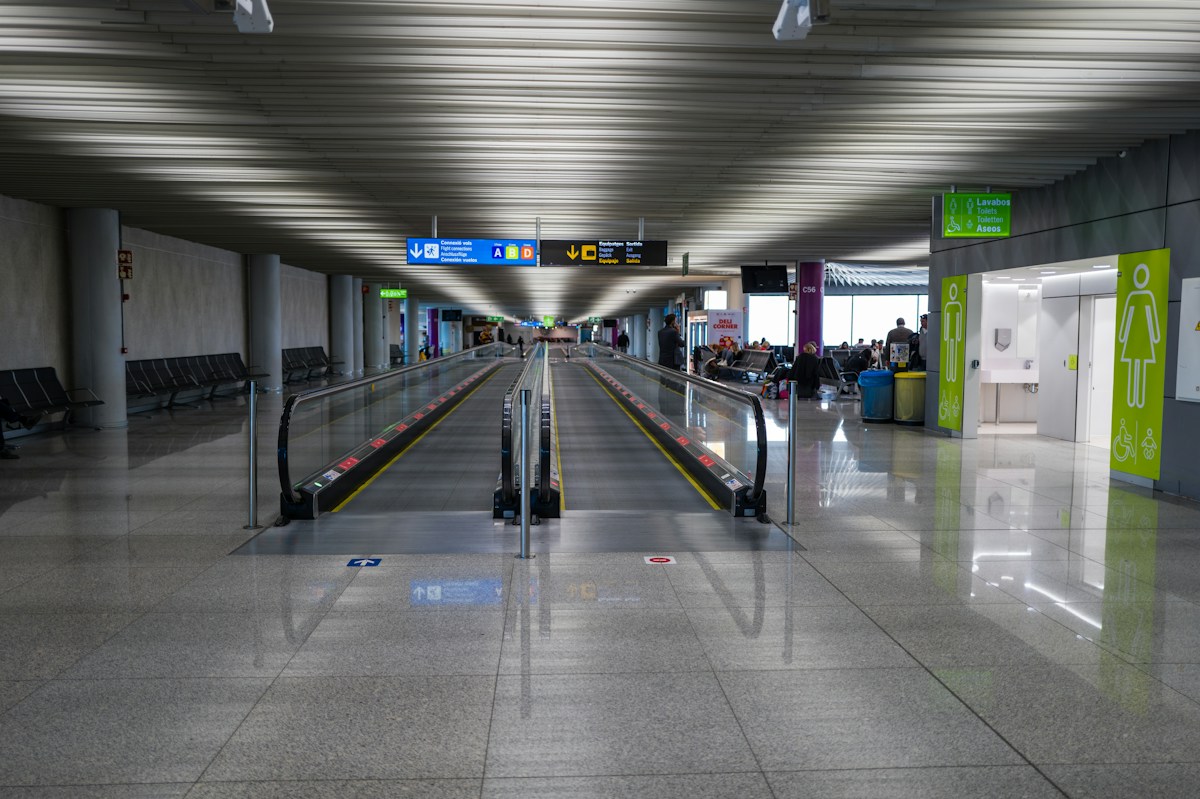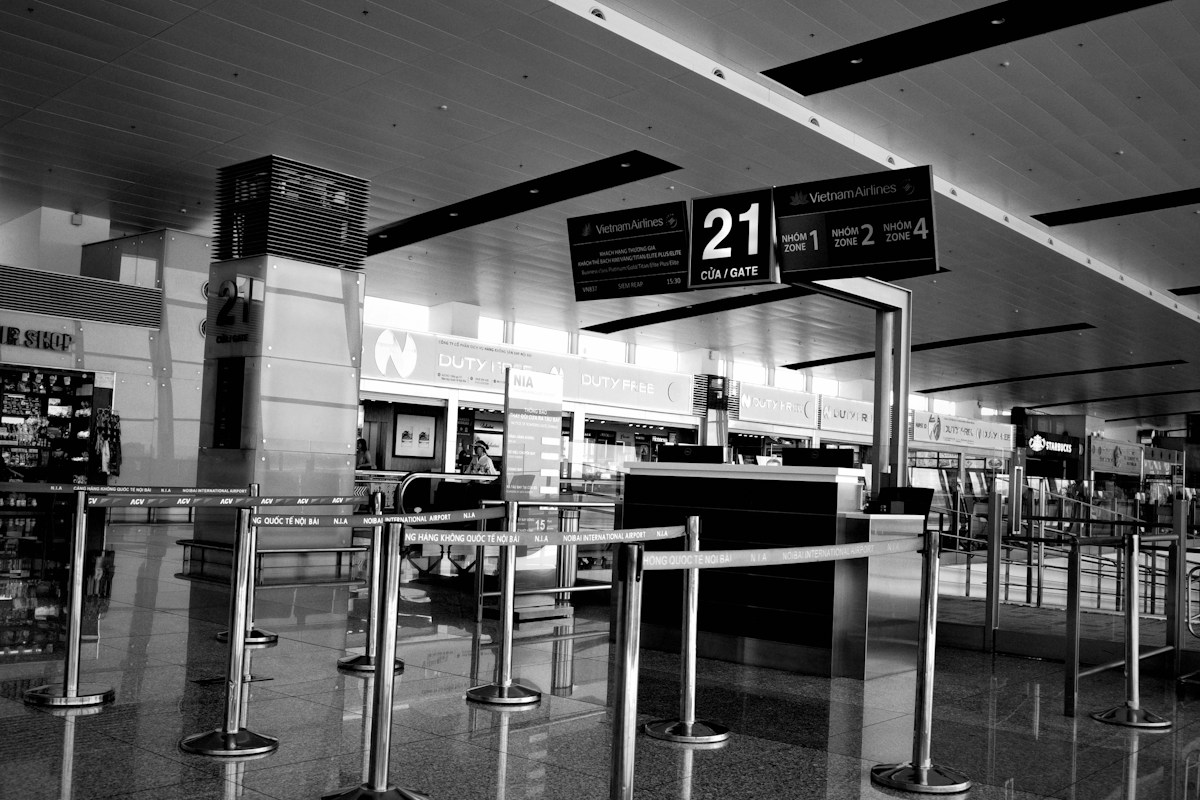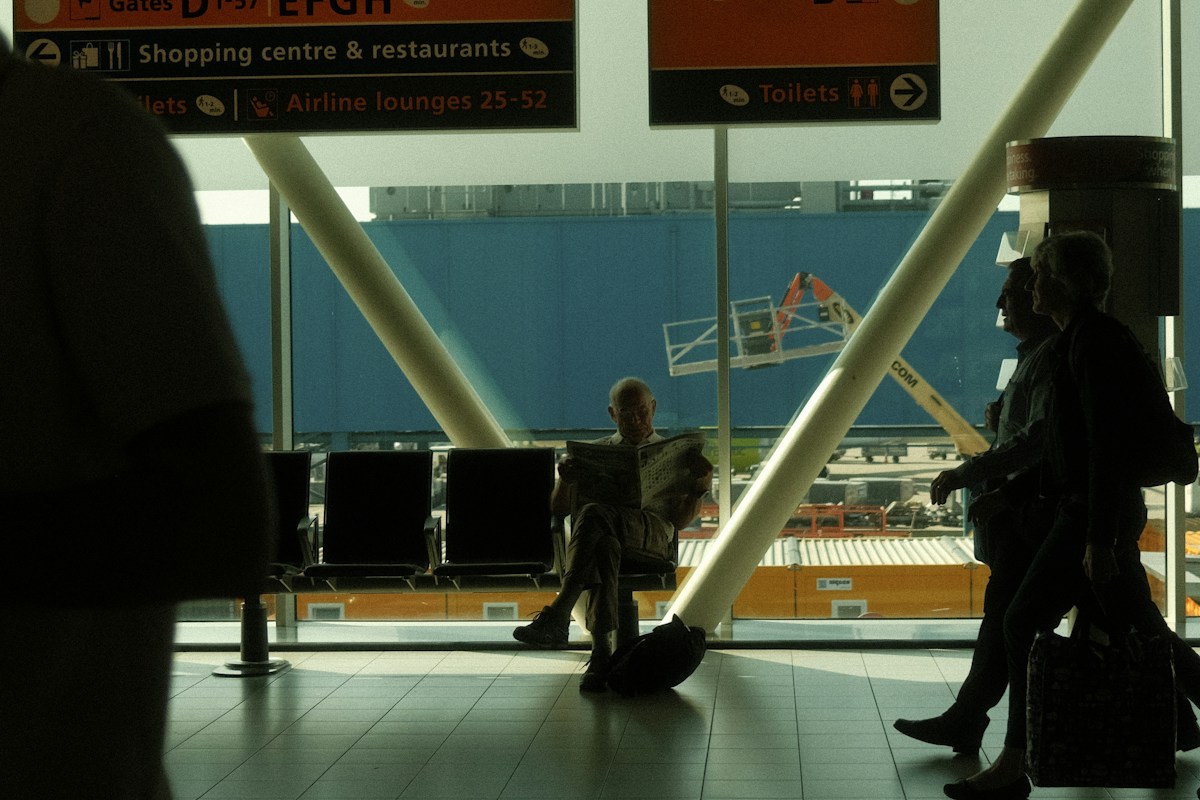
Your flight lands at 06:40 after a nine-hour overnight. You have a train at 09:15 across town, one checked bag, and a connecting boarding pass already on your phone. The next decision is not "where do I go" but "in what order." Do you follow the crowd toward passport control, find a bathroom first, or check the arrivals board for your baggage belt number before you commit to a queue? That single early choice shapes the next hour more than almost anything else you packed.
Most arrival problems are sequencing problems. Travelers tend to move as a herd and then improvise. A calmer approach treats the terminal as a series of gates, each with its own documents, signage, and timing risk — and accepts that the honest answer to "how long will this take" is "it depends on the airport, the hour, and your traveler status."
Mistake one: treating "baggage claim" as a single step
Arrivals signage usually merges several distinct stages into one mental bucket: border control, baggage reclaim, customs, and the exit into the public hall. Each can sit in a different part of the building, sometimes on a different level, and the order is not always the same. At some airports, international arrivals clear immigration before reaching the belts; at others, transfer passengers are routed separately and never see the main hall at all.
The fix is to find the belt number before you leave the aircraft corridor. Belt allocations are displayed on arrivals screens and often repeated on airline apps, though they can change at short notice. Note the belt, note the carousel's terminal and hall, and note the exit you need. If you are connecting, confirm whether your bag is checked through to the final destination — that answer changes your route entirely. When in doubt, ask a staffed information desk rather than another passenger; airport and airline staff are the only reliable source for live belt and gate information.
A counterintuitive point worth internalizing: the fastest route through the terminal is not always the shortest one. Walking past a crowded belt to a quieter overflow carousel a few gates down can save more time than sprinting to the first belt you see — provided the board confirms your flight number is assigned there.
Mistake two: under-preparing for documents and accessibility needs
Border-entry requirements vary by nationality, passport type, visa status, and destination, and they change. No editorial guide can tell you what an officer will decide. What you can control is preparation: valid passport, any required visa or electronic authorization, completed arrival forms, and printed or offline copies of onward travel and accommodation details. Check requirements against the official government or border agency website for your destination, not a forum post.
Travelers with mobility aids, families with young children, and anyone traveling with medication or medical equipment should plan the terminal route in advance. Many airports publish accessibility maps and offer assistance services that must be requested through the airline, often at booking or a set number of hours before departure — verify the lead time with your airline, since it is not uniform. Language matters too: arrival forms and signage may appear only in the local language and English, so having key phrases or a translation app ready reduces friction at a busy desk.
There is a practical argument for carrying a small "arrival folder" — physical copies of your booking, insurance, and transfer details — even in a phone-first era. Screens die, roaming fails, and a paper backup asks nothing of a dying battery.
Mistake three: leaving pickup coordination to the last minute
The arrivals hall is where plans most often fracture. A friend picking you up needs to know your flight number, the terminal, the meeting point, and a realistic window — not an exact minute. Drivers and meet-and-greet services usually track flight status and wait in a designated area, but the specific rules for curbside pickup, waiting zones, and identification vary by airport and should be confirmed with the provider and the airport's own guidance.
Set a communication plan before you fly: agree on a messaging app, share your flight details, and decide what happens if the flight is delayed or the bag is slow. If you are booking a transfer or airport hotel in advance, compare options against your actual arrival window rather than the scheduled one — {{AWIN_MERCHANT_LINK_1}} is a reasonable starting point for researching transfer and airport-stay providers, though you should verify cancellation terms, meeting instructions, and accessibility provisions directly with each provider.
One more overlooked detail: confirm which exit you will emerge from. Large airports can have multiple public-hall exits, and "arrivals" on a booking form rarely specifies which one. A quick check of the terminal map before landing prevents the familiar scene of two people circling the same hall on opposite sides.
What ties these mistakes together is improvisation at the moment of highest fatigue. A short pre-flight checklist — belt and terminal confirmed, documents verified against official sources, pickup plan agreed, accessibility request confirmed — converts a stressful arrival into a sequence you already understand. The terminal will still be busy and the queues will still vary. You will simply be the traveler who knows what comes next.