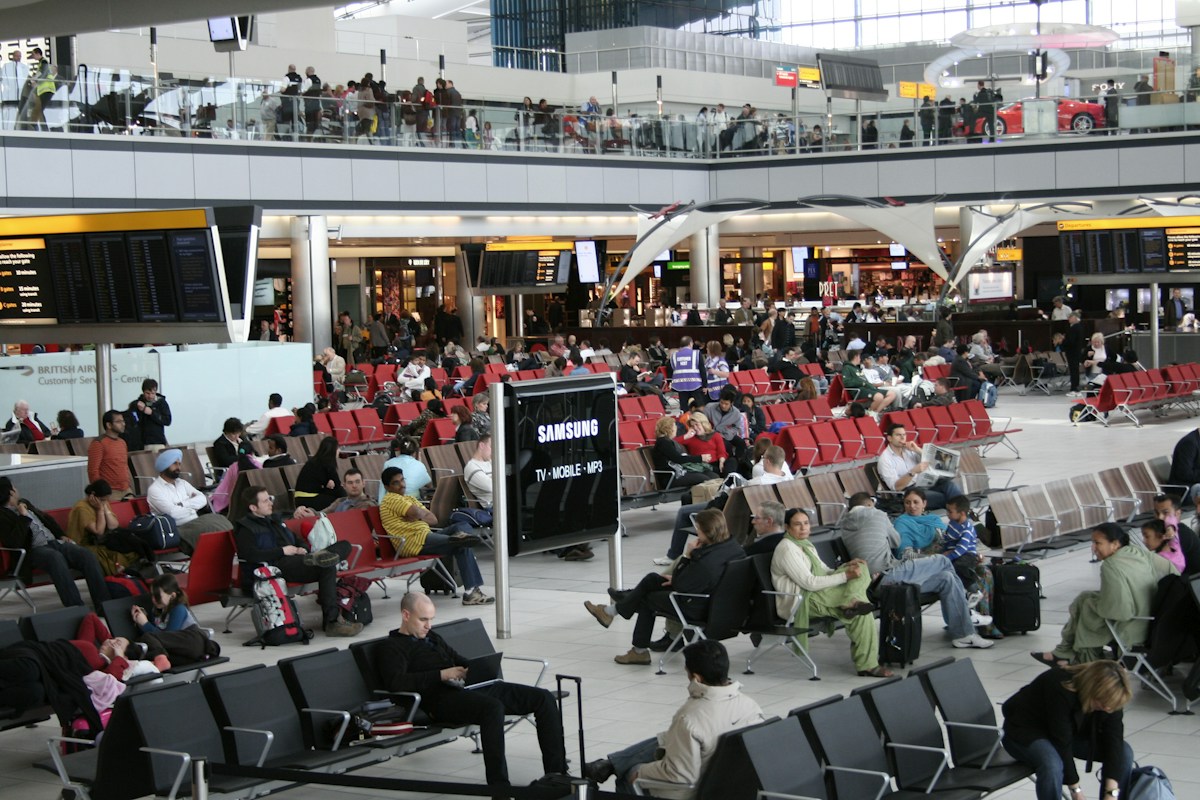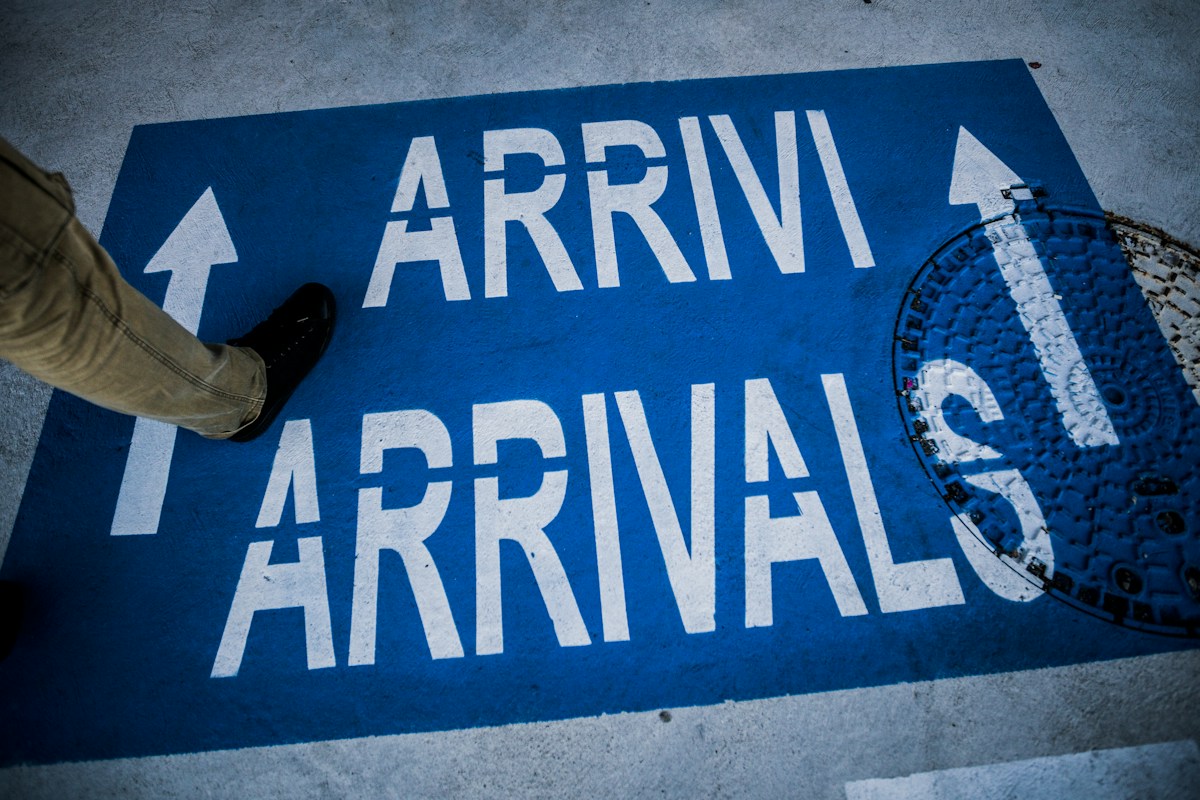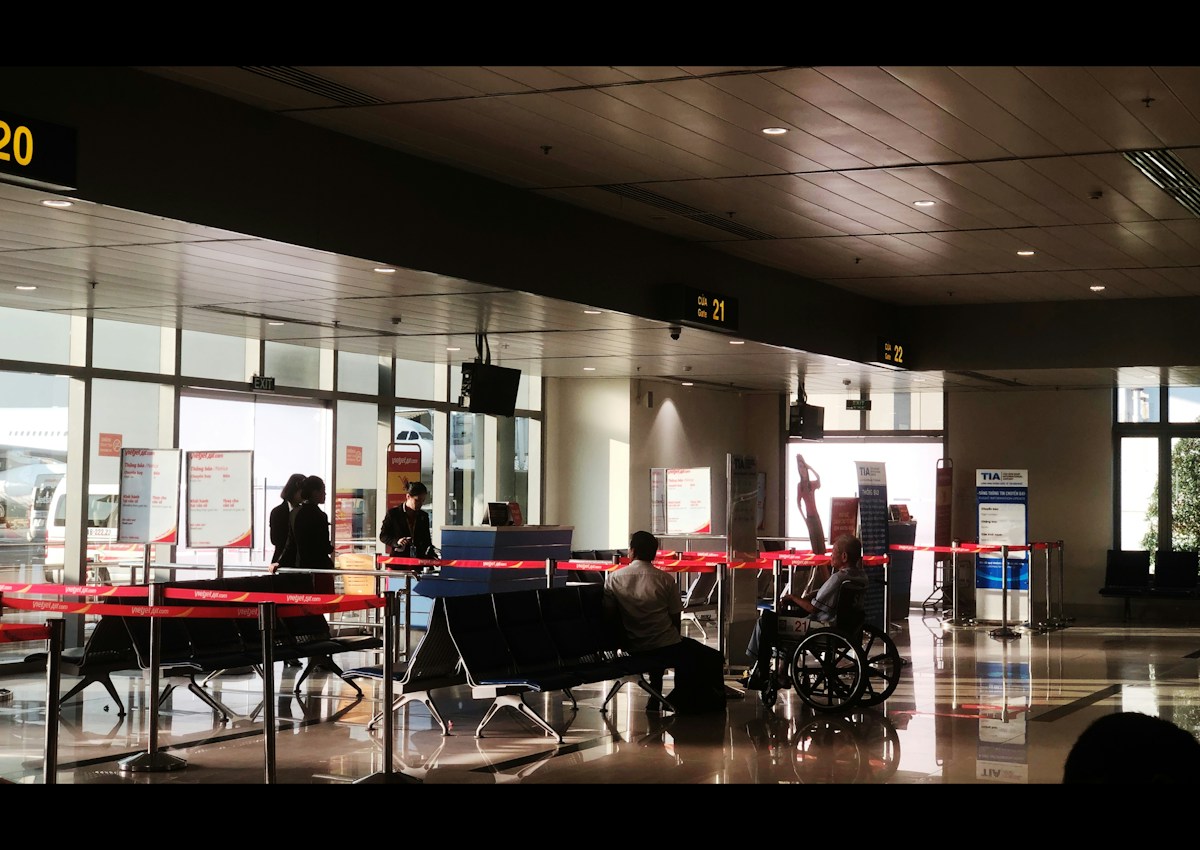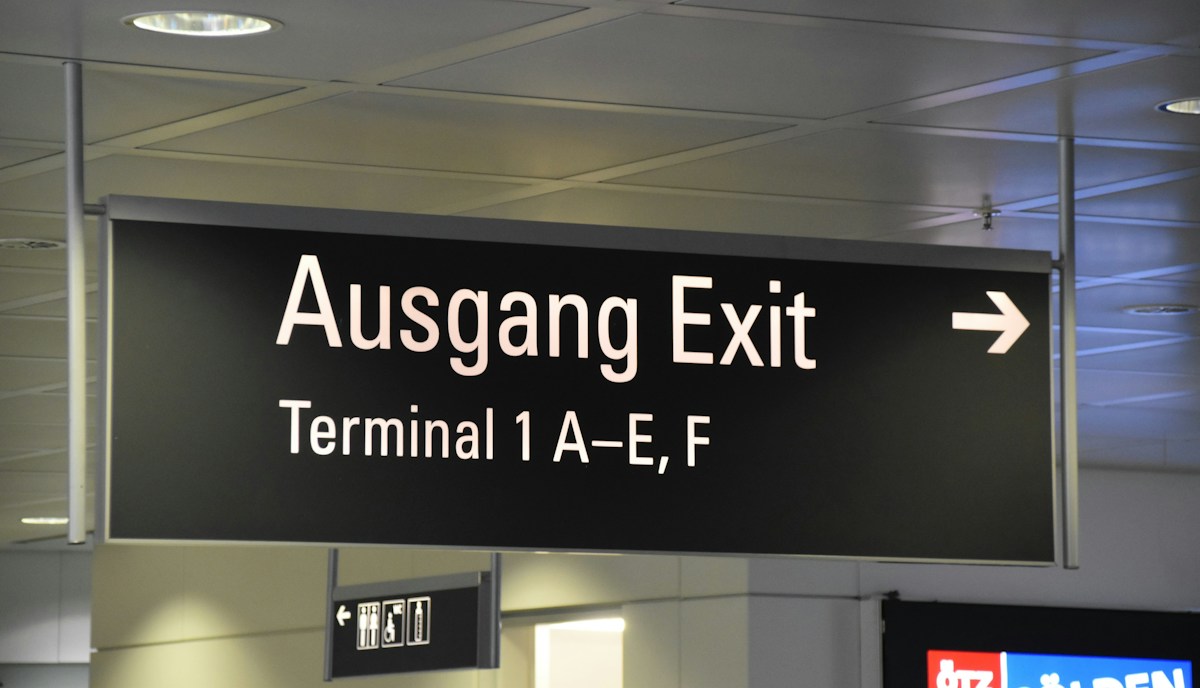
Most travelers step off the plane believing the hard part is over. Passport in hand, they assume the officer at the booth makes a quick judgment and waves them through — that the line is a formality. That belief is the single most common mistake in arrival planning, and it shapes everything from how much time people leave for a connection to whether they pack documents they can actually reach.
The booths are not a formality, and they are not a single event. An international arrival is a sequence: border control first, then baggage reclaim, then customs, each with its own rules, its own queues, and its own document demands. Treating them as one blob is why travelers get caught short. Understanding the sequence — and what varies at each stage — is the preparation that actually helps.
What the officer is actually deciding, and why it isn't one decision
Border control and customs are separate legal processes, often staffed by separate agencies, and they answer different questions.
Border control decides whether to admit you. That decision is discretionary and rests with the officer under the destination country's law — no article, checklist, or booking confirmation can promise an outcome. What you control is the evidence: a passport valid for the required period, the correct visa or entry authorization where one applies, and readable proof of your onward plan, accommodation, and ability to support yourself. Customs, which comes after baggage reclaim, asks a different question: what are you bringing in? Declaring correctly is a separate obligation with its own penalties.
There is a counterintuitive point worth holding onto. Officers are not primarily assessing whether your story is pleasant; they are testing whether it is consistent. A traveler with a modest plan described plainly tends to fare better than one with an elaborate itinerary that doesn't match the return ticket. That's an editorial read of how discretionary interviews work, not a rule — but it reframes preparation usefully. Rehearse clarity, not performance.
Accessibility and family status affect the sequence, too. Many airports publish dedicated lanes for travelers with reduced mobility, families with young children, and diplomatic or crew status. These vary widely, are not always signposted in English, and can be closed without notice. Verify what your arrival airport actually offers rather than assuming a lane exists. Airport and national border agency websites are the sources that count.
A worked scenario: the tight connection through a busy hub
Consider a family of four landing at a large European hub at 06:40, connecting onward at 09:15, with a checked stroller and one passenger who uses a wheelchair. Their plan looks generous on paper. In practice, they're moving through four checkpoints — border control, wheelchair assistance handover, baggage reclaim, customs — before they can even re-check bags or reach the onward gate.
The bottleneck is rarely any single line. It's the handoffs: waiting for an assistance agent, waiting for bags, waiting to find the right exit. That's why published minimum connection times, which airports and airlines set for specific terminal pairs, are stated as minimums and still don't guarantee a smooth transfer. Verify the minimum connection time for your exact terminal pair with the airline, and treat it as a floor, not a target.
Here's the practical plan for that scenario:
- Book the connection with slack, not optimism. If the minimum connection time is tight, choose a later flight or accept the risk knowingly — the airline's protection rules for missed connections vary by carrier and ticket type.
- Request assistance at booking, not on arrival. Pre-booking through the airline is the usual route for wheelchair or mobility support; confirm what the receiving airport will provide, since service standards differ.
- Put documents where hands can reach them. Passports, boarding passes, and any visa or entry forms in one accessible pouch — not in the checked stroller bag.
- Decide the pickup plan in writing before departure. If someone is collecting you, agree the meeting point, a backup contact method, and what happens if the flight is delayed. Arrivals halls are loud and crowded; a text-based plan beats a shouted one.
- Check customs limits for what you're carrying. Food, medication, cash above a threshold, and gifts all attract rules that differ by country. Declare what needs declaring.
For travelers assembling document wallets or travel organizers ahead of the trip, {{AWIN_MERCHANT_LINK_1}} lists options worth comparing against your own checklist — though any plain folder that keeps papers dry and reachable does the job.
What to verify, what to prepare, and what nobody can promise
Three things vary so much by airport and traveler status that general advice is nearly useless: queue times, assistance availability, and the exact order of steps. At some airports, border control comes before baggage reclaim; at others — particularly where pre-clearance or segregated flows exist — the arrangement differs. Some airports publish live queue estimates; many don't. Assistance services can be booked and still involve a wait.
So build a preparation plan around the parts you control:
- Documents: passport validity against the destination's rule, visa or electronic authorization status, onward or return proof, accommodation address, and any health or customs declarations required at the time of travel. Confirm each with the destination's official border or immigration authority — rules change, and third-party summaries lag.
- Sequence: read your arrival airport's own arrivals guide so you know the order of border control, baggage, and customs, and where assistance desks sit.
- Communication: share your flight number and expected arrival window with whoever meets you, plus a fallback plan for delays and a meeting point described by terminal and hall, not just "outside."
- Accessibility and language: note whether translated signage or interpretation is offered, and carry key phrases or a translation app for the customs declaration stage.
The editorial conclusion here is deliberately modest. The best-prepared traveler is not the one who has memorized a fixed timeline; it's the one who knows the sequence, carries the right evidence, and has verified the specifics with official sources rather than assuming. Border decisions belong to officers. Queue times belong to the day. What belongs to you is the plan — and that's worth building carefully.