Understand the arrival sequence before you compare options
The fastest way through customs and immigration is rarely a trick. It is preparation. Before you land, put your passport, arrival card if one is required, onward ticket, accommodation address, and any visa or entry-permission documents where you can reach them without unpacking a bag. Border officers and self-service kiosks both reward a traveler who can produce documents immediately.
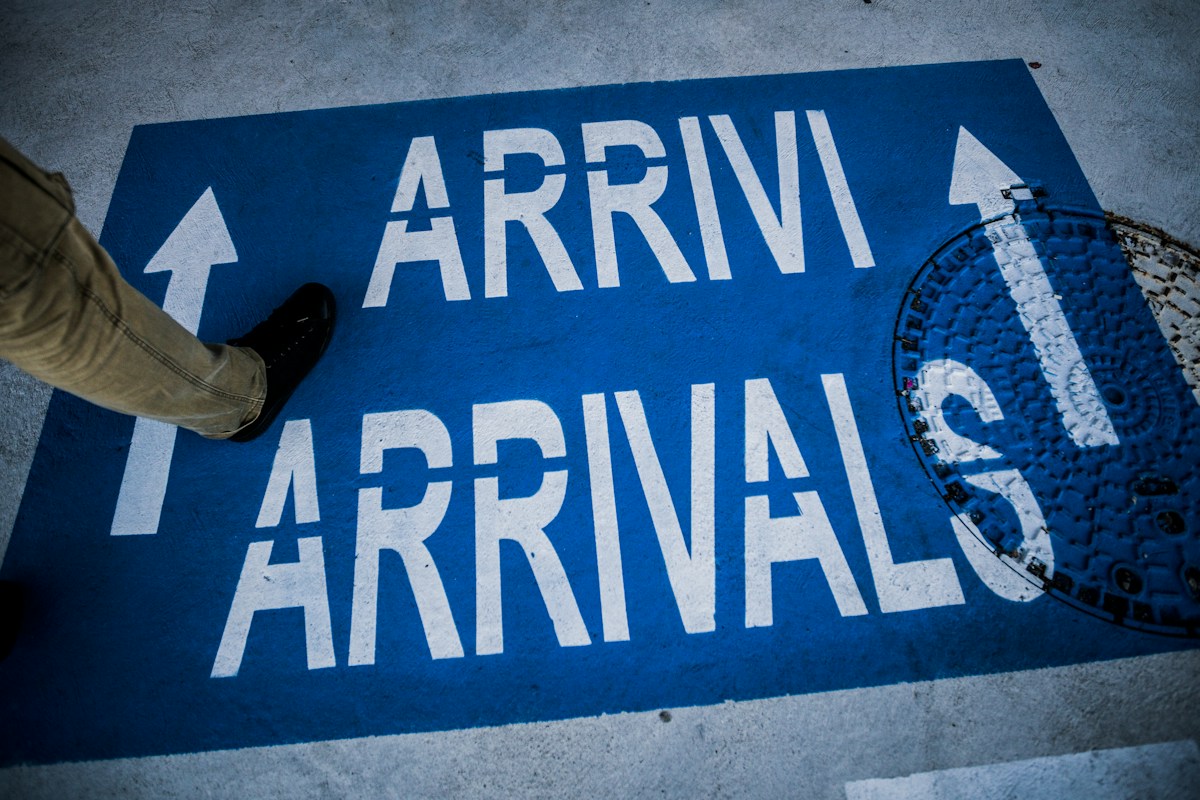
After you step off the plane, the sequence usually runs: follow signs to the border-entry area, join the correct queue or kiosk line, present documents, collect baggage, then pass through customs and exit into the arrivals hall. The order sounds obvious, but the friction sits in the details. Know which queue applies to you — airports commonly separate lanes for citizens, residents, and visa-required visitors, and signage may use local-language terms rather than English. Know whether your airport uses e-gates or automated kiosks and whether your passport type qualifies; this is set by the border authority, not the airline. Know where baggage claim sits relative to the border area, because some airports place customs before baggage and others after.
Specific systems illustrate how much varies. The UK's ePassport gates, operated at airports including London Heathrow and Gatwick, are open to eligible biometric-passport holders from the UK, EU, and a list of other countries that the Home Office publishes and updates; eligible travelers still complete any required landing card or declaration. In the United States, Global Entry kiosks at major international airports serve travelers who have been approved in advance through U.S. Customs and Border Protection, while most other arriving travelers use staffed lanes. Singapore's automated lanes at Changi Airport are open to registered eligible passport holders under Immigration & Checkpoints Authority rules. In each case the eligibility list, the registration step, and the documents required are set by the national border authority and posted on its website — verify them close to your travel date, because a process that worked last year may have changed.
The counterintuitive part: the length of the immigration queue is often a weaker predictor of your total arrival time than the baggage belt. A short border queue followed by a long wait for bags can cost more minutes than a moderate queue with bags already circling. When you compare airports or terminals, compare the whole sequence — border, baggage, customs, exit — rather than the visible line at passport control. IATA's guidance to airlines and airports on passenger facilitation makes the same point: total processing time, not any single checkpoint, is what shapes the arrival experience.
Compare convenience by traveler status, not by airport reputation
Convenience is not a property of an airport so much as a match between the airport's systems and your documents. A traveler with an eligible biometric passport and any required pre-registration may move through automated gates; a family with young children, a traveler using a wheelchair, or someone carrying declared goods may need staffed counters and additional checks. Same airport, different experience.
Consider two concrete scenarios. A traveler arriving on a long-haul flight with a two-hour connection has different priorities from a traveler ending their journey at that airport. The connecting traveler needs to know whether they clear border entry at the first airport or the final one, whether bags are checked through, and whether the airline's published minimum connection time leaves room for border and security queues — at a large hub such as Heathrow or Amsterdam Schiphol, that minimum can be tight when border queues run long. The terminating traveler needs the exit route, the pickup point, and a plan for a slow baggage belt. Build your preparation around which of these you are.
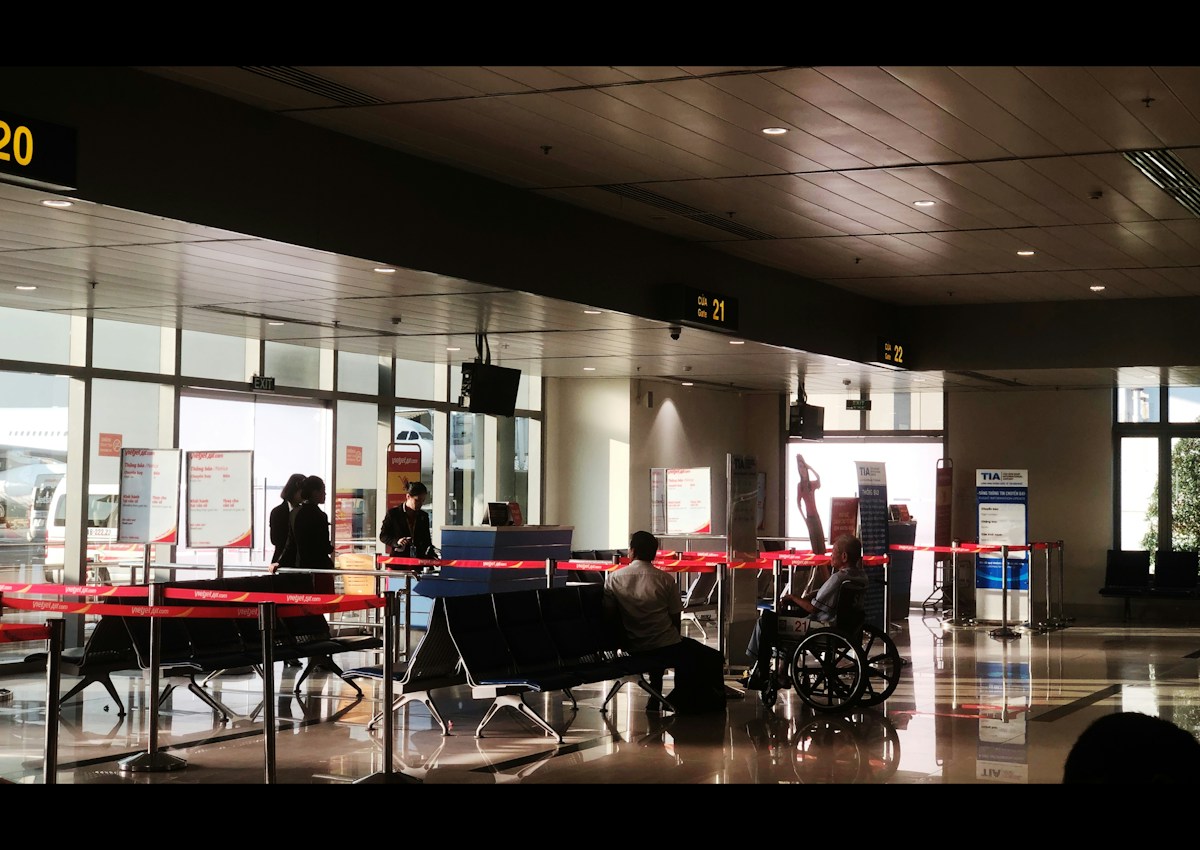
Support matters here. Accessible-travel services — assistance with queues, mobility support between the aircraft and the arrivals hall, and help for travelers with hidden disabilities — are typically arranged through the airline or airport in advance, not at the counter on the day. Under EU Regulation 1107/2006, for example, passengers with reduced mobility at EU airports are entitled to free assistance that must be requested through the airline or airport, usually with advance notice; UK airports apply comparable rules. Availability and cut-off times vary by provider, so confirm directly with the airline and the airport's accessibility contact. Family lanes, priority lanes for reduced mobility, and translation support also differ by airport and should be checked rather than assumed.
For travelers who want a smoother arrival hall experience, pre-booked airport transfers and meet-and-greet services can reduce the uncertainty after customs — a driver waiting with a name board removes the taxi-queue decision at the end of a long flight. Options can be compared through {{AWIN_MERCHANT_LINK_1}}. These services do not affect border processing, and no provider can guarantee queue times; they simply shift the post-customs logistics from improvisation to a plan.
Build a preparation plan that survives delays and variation
A practical arrival plan covers documents, sequence, communication, and contingencies. Keep it short enough to use when you are tired.
- Documents: passport valid for your destination's required period, visa or entry permission, arrival card if required, onward or return ticket, accommodation address, and any declaration forms. Store paper copies separately from the originals.
- Sequence: note whether your airport clears border entry before or after baggage, and whether customs follows baggage claim. Check the official airport site for the current layout.
- Connections: confirm whether you clear immigration at the first arrival point and whether baggage is checked through. Treat the airline's published minimum connection time as a floor, not a promise.
- Communication: share your flight number, expected arrival window, and meeting point with whoever is collecting you — and agree a fallback if the flight is delayed or the pickup point changes.
- Accessibility and family needs: request assistance in advance through the airline or airport, and confirm where the assistance point sits relative to the border area.
Compare arrival options by fit, not by reputation. Match the airport's systems to your documents and status, plan the whole sequence including baggage and customs, and arrange support before you travel rather than hoping it is available on arrival. That approach does not remove uncertainty — border decisions rest with officials, and wait times vary — but it reduces the number of decisions you have to make while standing in a queue.
Finally, treat every published process as something to verify, not something to rely on. Airport layouts, e-gate eligibility, declaration rules, and assistance arrangements change. Check the official sources — the national border authority, the airport operator, your airline, and any service provider — close to your travel date, and build your plan around what they confirm.