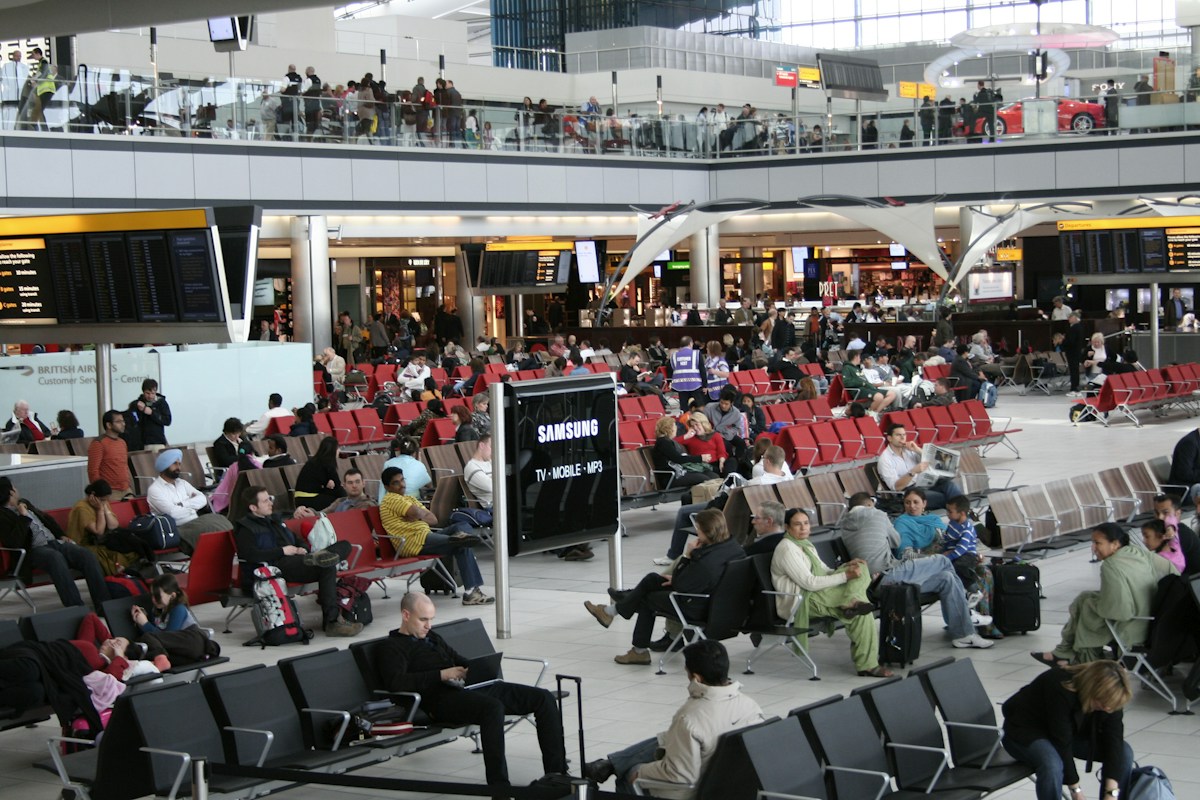
The line splits in two about forty meters before the passport desk, and the family in front of you is still rearranging strollers, snacks, and four sets of documents. Behind you, a solo traveler with one carry-on exhales audibly. Neither of them is doing anything wrong. They simply prepared for different arrivals, and the terminal is only now revealing which queue, which desk, and which set of questions each of them will meet.
That fork in the concourse is where most arrival stress begins. The correct preparation differs for a family of five, a solo traveler on a tight connection, and a group of twelve arriving on a single booking. Understanding the sequence — documents, queue, interview, baggage, customs channel — helps every traveler anticipate the next decision, even when the airport itself varies.
Families at the passport desk: one folder, one spokesperson, one plan
Families tend to lose time before reaching the officer, not during the interview. Passports, boarding passes, and any required arrival forms should be in a single folder, arranged in the order the officer will ask for them. Children old enough to hold their own passport should do so. Infants and toddlers traveling on a parent's document need that arrangement checked in advance against the destination country's rules.
Many border agencies photograph and fingerprint travelers above a certain age, and that age threshold differs by country. A useful planning habit is to check the official border or immigration website for the destination — not a forum — and confirm which family members need biometrics, which need parental consent letters, and whether a child traveling with one parent requires additional documentation. Some countries require a notarized consent letter from the absent parent. That single document has delayed more family arrivals than almost any other, and it is verifiable only through official channels.
Assign roles before landing. One adult speaks to the officer; the other manages children and hand luggage. Keep the spokesperson's answers short and factual — purpose of visit, length of stay, accommodation address. Travelers should never guess at an answer. If a document is in the folder, hand it over rather than reciting from memory.
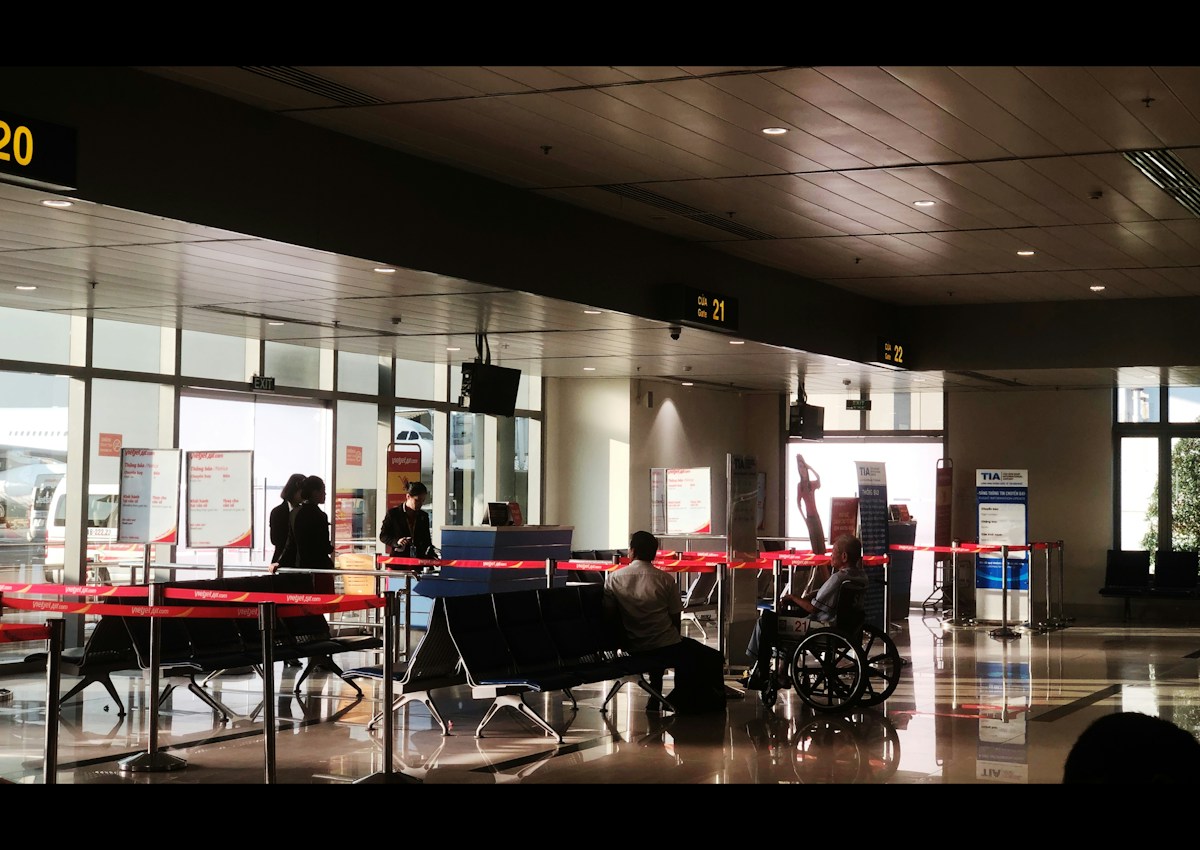
Accessibility considerations belong in the same plan. Families traveling with a child who has a disability, or with a parent using a mobility device, can usually request priority processing or an accessible lane through the airline or airport in advance. Availability varies by terminal and cannot be assumed. Confirm through the airport's official accessibility contact before travel.
Solo travelers and groups: two very different speed problems
Solo travelers rarely struggle with the interview. Their risk is the connection. A traveler with a two-hour layover who lands in a non-Schengen terminal, clears immigration, and then needs to re-clear security has a tight sequence that no queue estimate can resolve in advance. The counterintuitive point, and one frequent flyers learn slowly: the fastest route through immigration is often not the shortest queue but the one aligned with your onward terminal. Some airports publish separate lanes for connecting passengers, and choosing the wrong lane can mean exiting landside and re-entering.
Check the airport's official website for a terminal map showing immigration, connections, and baggage reclaim as distinct zones. If the map is unclear, the airline's connection desk is the correct source — not a social media thread. Build in buffer proportional to the complexity of the transfer, and treat any published minimum connection time as a floor, not a promise.
Groups have the opposite problem. Twelve travelers on one booking can move through immigration quickly if they are briefed, and painfully slowly if they are not. Group leaders should distribute a one-page briefing before departure covering: the purpose of the trip as it appears on any invitation or booking, the address of the first accommodation, and the rule that each traveler answers for themselves. Border officers may interview group members individually even when a group visa or collective booking exists.
One practical step for group arrivals is a meet-and-greet coordination plan. If the group is being collected, the pickup point should be confirmed in writing — terminal, level, and a named meeting sign — because arrivals halls differ in where drivers may wait. Some airports restrict curbside pickup to specific zones. Verify those rules with the airport or the transport provider directly, and share a photo of the meeting point with every traveler in advance.
A preparation checklist that works across traveler types
The variables differ, but the preparation overlaps. The list below is deliberately short; each item should be checked against official sources for the specific destination and airport.
- Documents: passports valid for the required period, visas or electronic travel authorizations, return or onward tickets, accommodation confirmation, and any consent letters for minors. Confirm validity rules on the destination's official immigration site.
- Forms: arrival or customs declarations, including any digital versions required before landing. Complete them before the aircraft door opens where possible.
- Queue choice: identify whether your status — family, connecting passenger, group, accessible-travel — qualifies for a specific lane, and confirm that lane exists at your terminal.
- Baggage and customs: know what must be declared, keep receipts for high-value goods, and check prohibited-items lists for the destination, which differ from departure rules.
- Pickup communication: written meeting point, driver contact, and a backup plan if the first contact fails. For accessible pickups, confirm vehicle type and waiting rules with the provider.
A final word on expectations. Immigration officers make entry decisions independently, and no amount of preparation guarantees an outcome. What preparation does is reduce avoidable friction: the missing letter, the wrong lane, the unanswered question. Travelers who arrive with documents organized and roles assigned spend less time at the desk and more time where they intended to be. For families, that means a calmer first hour. For solo travelers, a realistic connection. For groups, a briefing that keeps twelve people moving as one.
Travelers assembling document folders or booking arrival transfers can compare options through {{AWIN_MERCHANT_LINK_1}}, while confirming all entry requirements against the destination's official immigration and airport sources before departure.