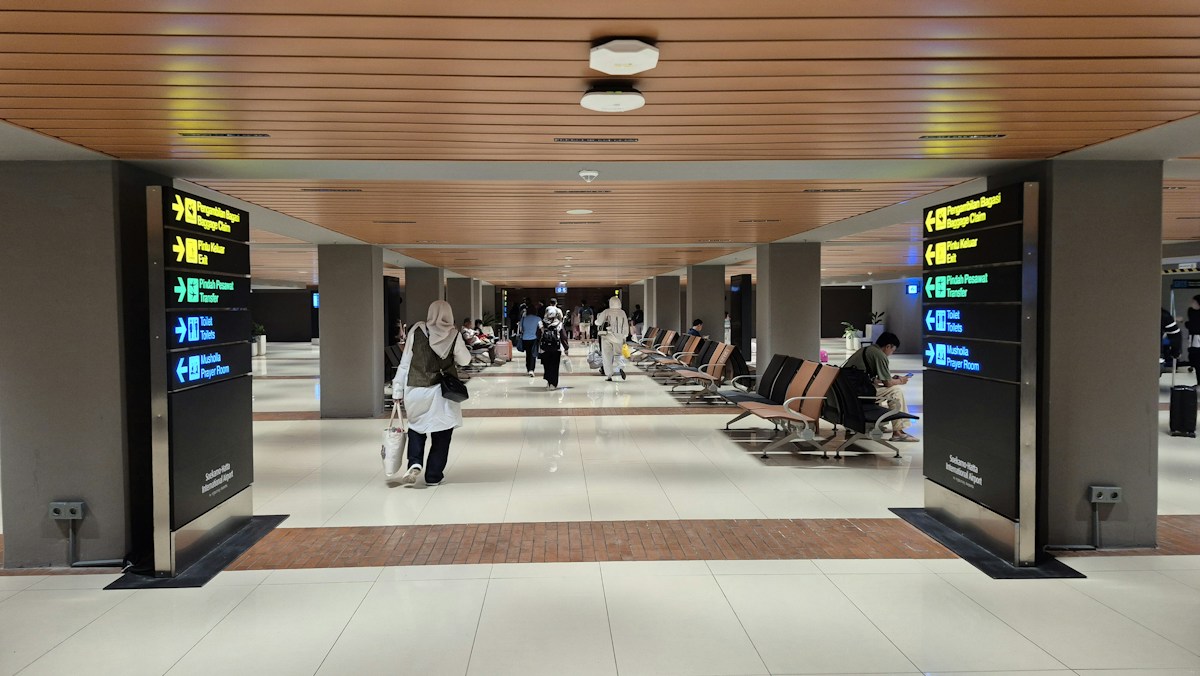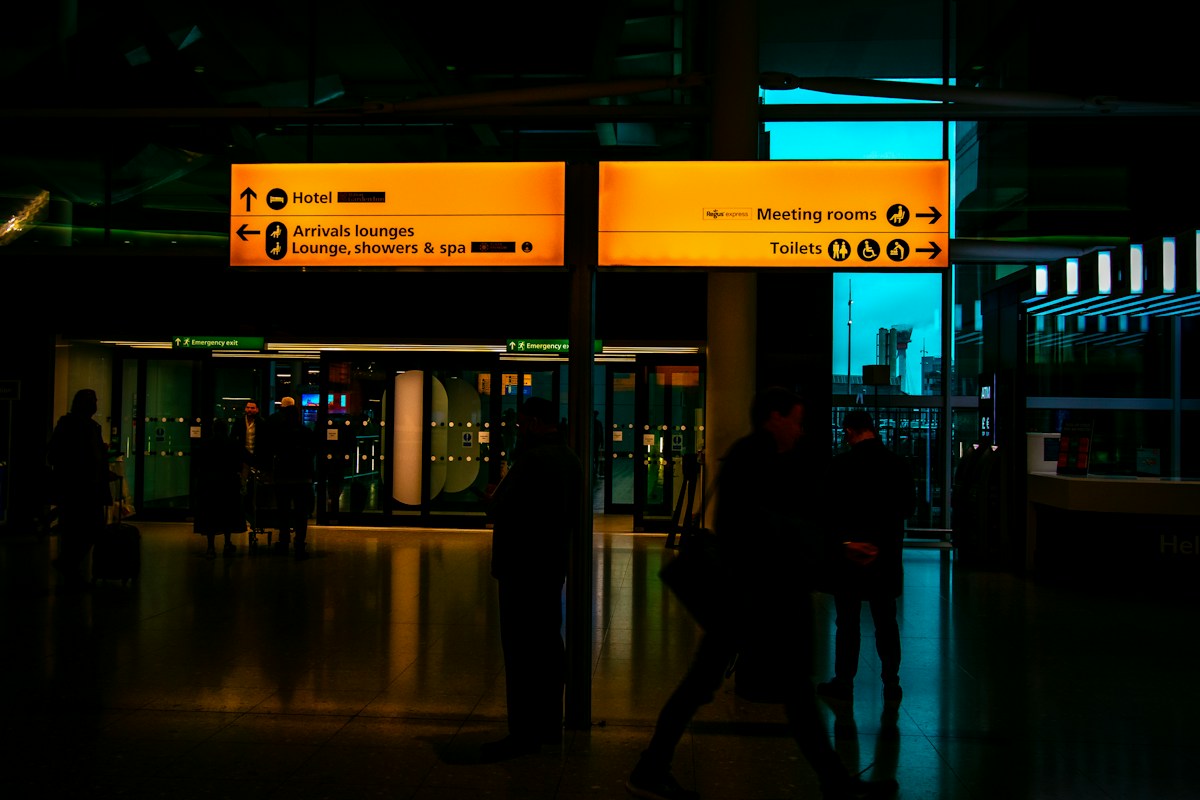
Documents and timing: build the layover around the border, not the boarding pass
The first question after landing is whether you will clear immigration at all. At many airports, international-to-international connections still require border control, baggage collection and re-check, and a second pass through security. At others, a sterile transit route keeps you airside. Which applies depends on your nationality, the airport, and the itinerary. IATA Timatic, the database airlines use to check travel-document and transit rules, is the reference to ask your airline to run for your exact routing; the airport's own connecting-passenger page (Heathrow, for example, publishes separate guidance for airside and landside connections) tells you what the physical path involves.
Transit-visa rules are where confident travelers get caught. The United States generally has no sterile international transit: most foreign nationals connecting at a U.S. airport need a valid visa or ESTA authorization even to change planes, unless they qualify for a narrow transit-without-visa exception. The United Kingdom operates a transit visa regime with distinct airside and landside permissions, and China's 24-hour direct-transit exemption applies only to onward travel by air within that window. None of this is uniform, and rules change; have your airline run Timatic for every country on the route, including short stops, before you book.
Timing follows from those facts. Published minimum connecting times describe what is physically possible, not what is comfortable. Heathrow publishes a 60-minute minimum for some international-to-international connections and longer figures where a terminal change or bag re-check is involved; Amsterdam Schiphol publishes similar per-terminal guidance. Treat those numbers as a floor. A worked example for an international-to-international connection that requires immigration and a bag re-check at a large hub: 25 minutes to deplane and walk to passport control, 30 minutes in the immigration queue, 25 minutes at the baggage belt, 20 minutes to re-check and re-clear security, and 20 minutes to walk to the new gate — roughly two hours before any slack. Add 45 to 60 minutes of buffer and a two-hour published minimum becomes a connection you should not book under three hours.
- Ask your airline to run IATA Timatic for the full routing, including transit countries.
- Read the airport's connecting-passenger page for airside versus landside paths.
- Note the published minimum connecting time, then add your own step-by-step buffer.
- Carry printed and digital copies of passport, visa, onward ticket, and hotel confirmation.
- Record your airline's disruption and rebooking contact before you fly.
Airport hotels: book the window, not just the room
My view: an airport hotel is worth booking when the gap is overnight, when you need rest with a mobility aid or a family needs space to regroup, or when the connection exceeds roughly six hours and you would otherwise sit in a terminal. For a three- or four-hour daytime connection, airside rest is usually the better call — a lounge or a quiet gate area costs less time than a shuttle, a check-in desk, and a return through security. The hotel earns its place by solving a specific problem, not by existing.
When you do book, match the room to your actual hours. Many airport hotels sell day-use or short-stay rates, but terms vary and should be confirmed directly with the property: check-in and check-out times, early check-in fees, and whether the rate is refundable if your flight is delayed or rebooked. Location matters more than star ratings. A hotel marketed as "airport" may sit a shuttle ride away, and shuttle frequency, hours, and accessibility vary. Confirm step-free access from the terminal, shuttle wheelchair capacity, and room features such as roll-in showers directly with the hotel, and keep the written reply.
If you prefer to research a room or transfer in advance, comparison tools such as {{AWIN_MERCHANT_LINK_1}} can show what exists near a given terminal, but the hotel itself controls the policies that matter on the day. Confirm rates, cancellation terms, and accessibility features with the property before you rely on them.
Accessibility and communication: plan the handoffs before you land
Accessibility services work best when requested through the channel the airline actually monitors. Most major carriers publish a dedicated accessibility request process — for example, a special-assistance form or phone line distinct from general reservations — and airports publish their own assistance points, often run with a contractor such as a national disability-support provider. Request wheelchair assistance when you book, reconfirm 48 to 72 hours before departure, and carry the confirmation reference. The handoff between airline staff, airport staff, and ground transport is where plans slip, so ask at check-in which staff member will meet you at the gate and where.
For travelers who are deaf or hard of hearing, ask what communication methods the airport and hotel use: visual paging screens, text or app notifications, or a staffed assistance desk. Announcements alone may not reach you, and the specific method varies by airport. Pickup communication deserves its own plan. Whether a family member, a hotel shuttle, or a meet-and-greet service is collecting you, agree on a meeting point before travel — a specific exit, a named sign, a terminal level — share flight numbers so the other party can track delays, and exchange a messaging-app contact as backup.
Families and older travelers benefit from the same discipline. Identify quiet spaces, accessible restrooms, and family rooms on the airport map before arrival, and note where they sit relative to your gates. A known rest point between security and the gate reduces the compounding fatigue of a long connection.
The through-line is sequence: settle the border question first, build the buffer around it, decide whether the gap justifies a hotel or airside rest, and confirm every handoff before you fly. That is the preparation that travels with you.