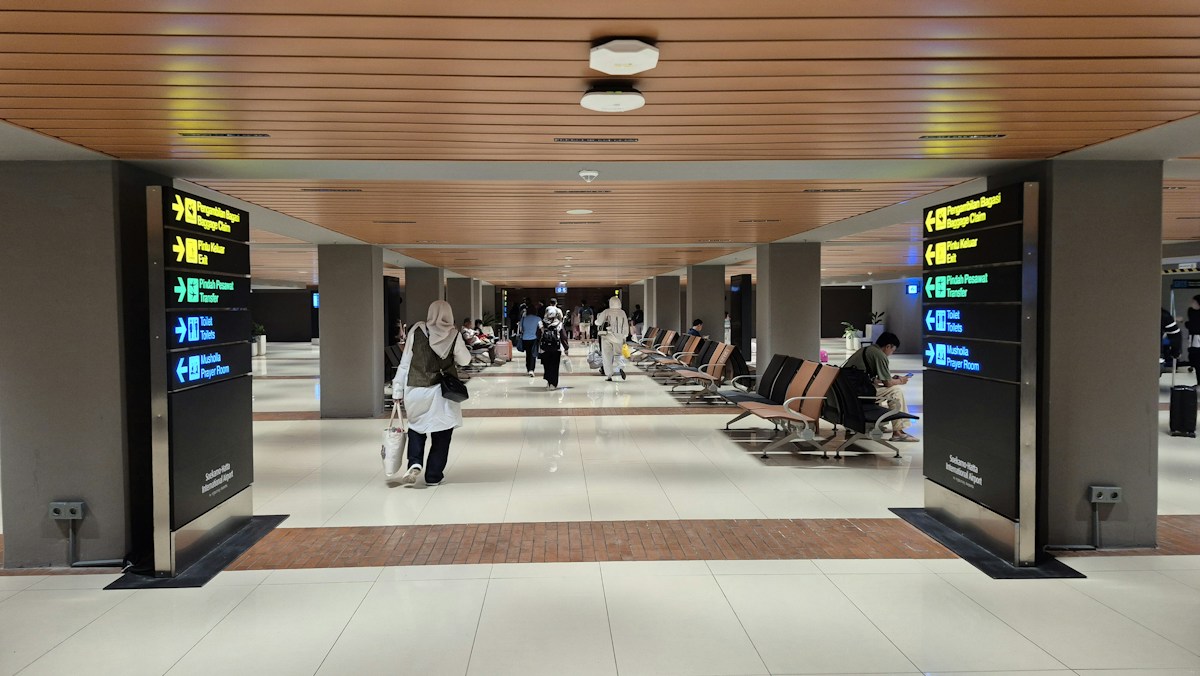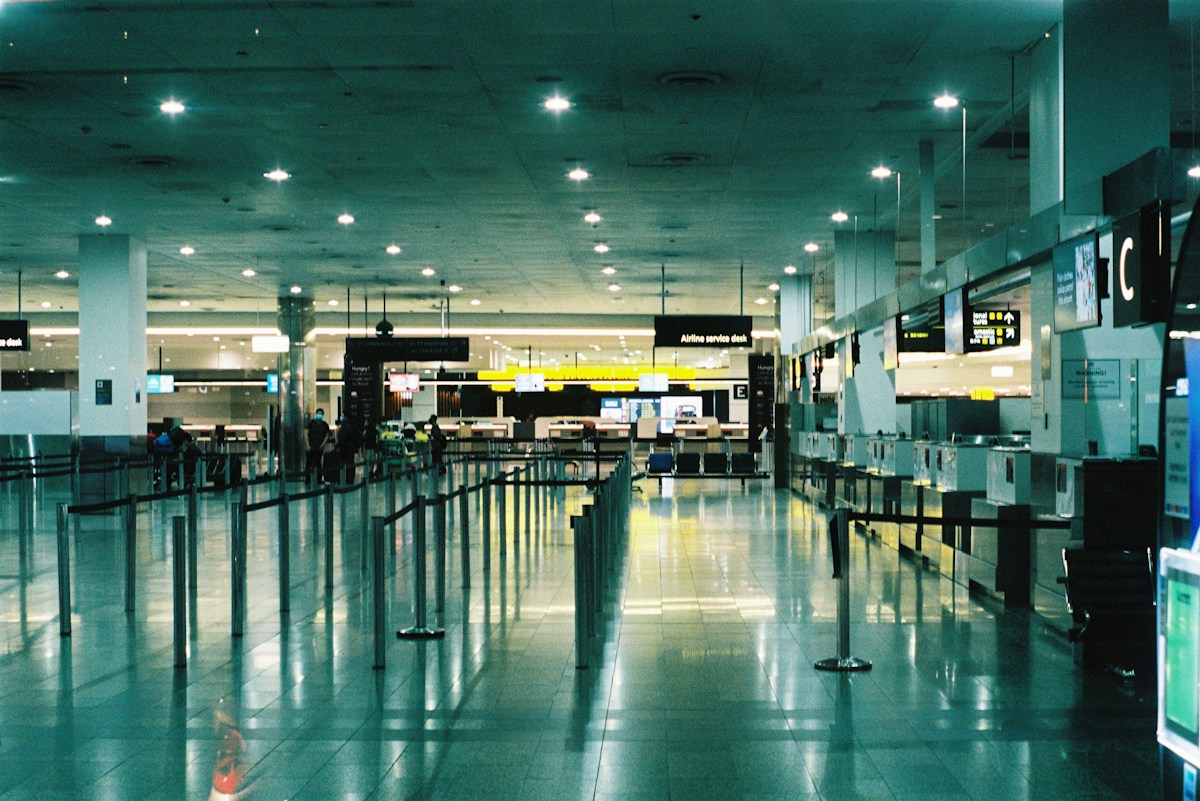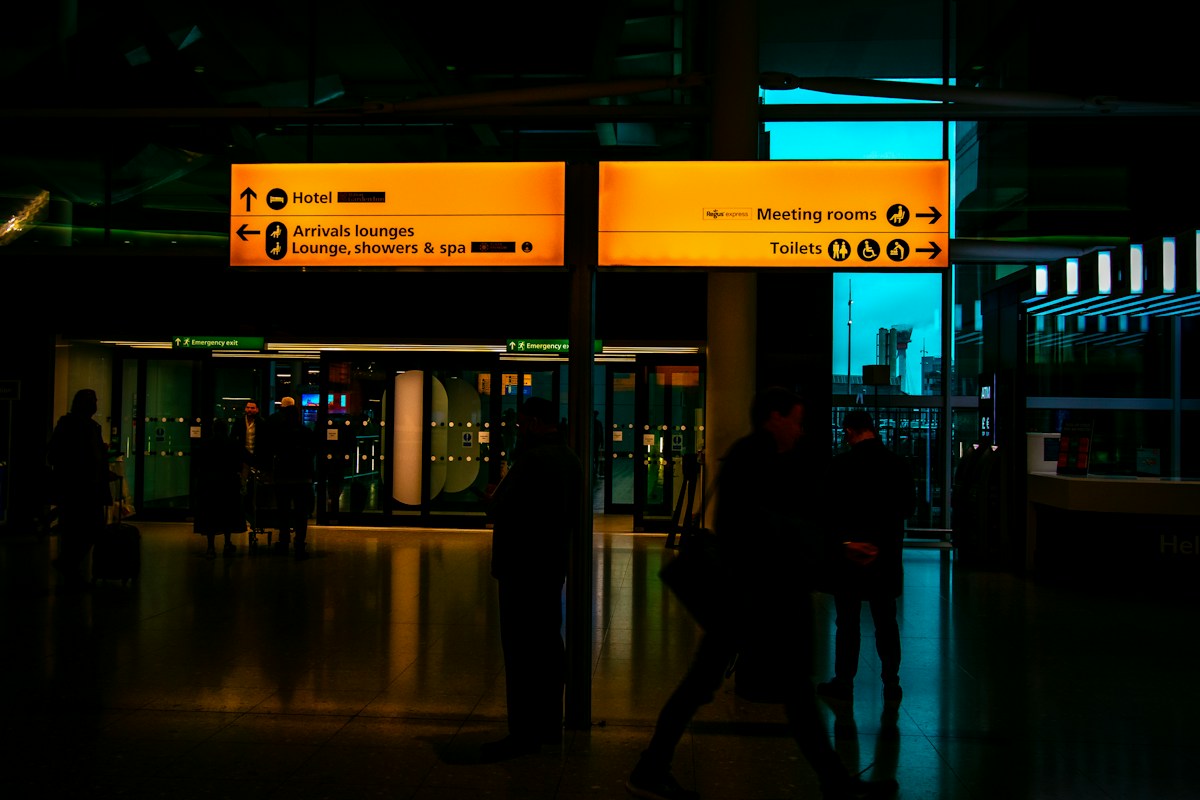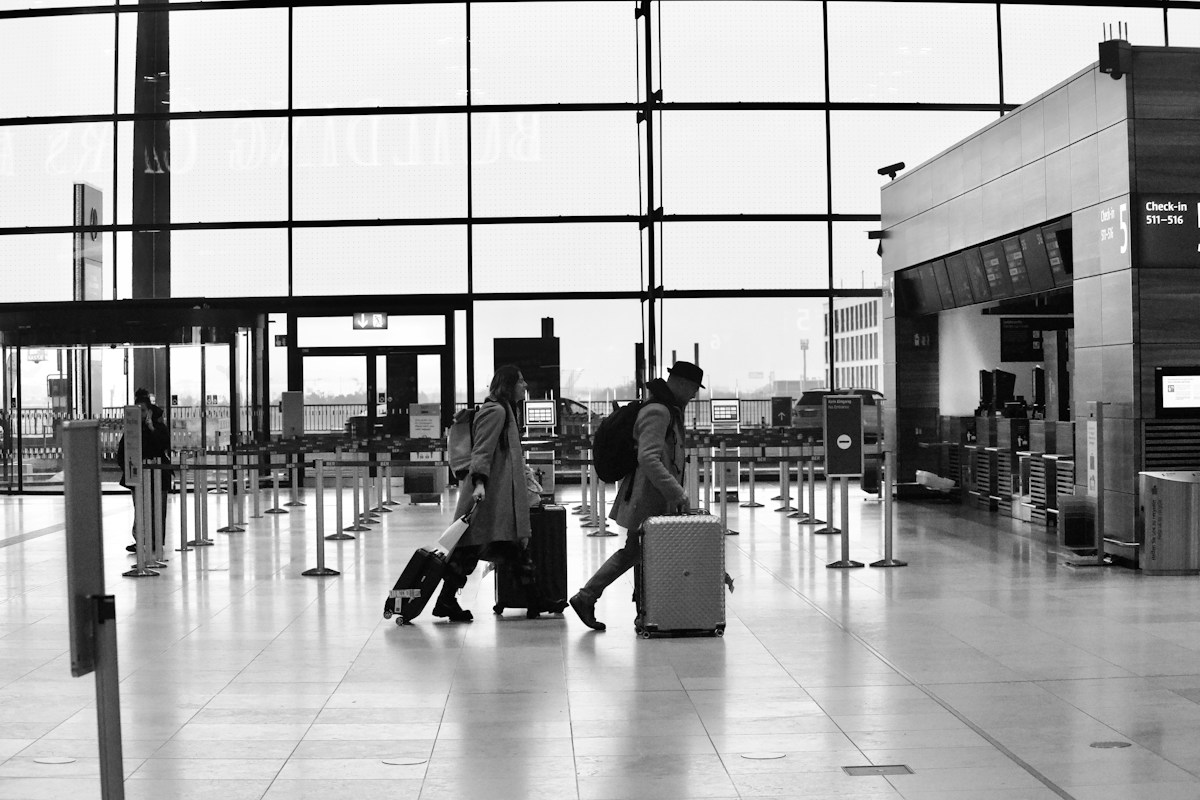
The plane has landed, the seatbelt sign is off, and the family in row 34 is already asking the question that shapes the next several hours: do we leave the terminal or stay airside? Answer that before you book anything else. The single most practical layover decision isn't which hotel looks nicest — it's whether your itinerary actually lets you reach it. A property's distance from the gate matters less than the visa, immigration, and re-clearance steps standing between your arrival gate and the lobby.
That sequencing sounds obvious until you apply it. Many travelers compare airport hotels on room size and rate while ignoring the border mechanics that determine whether a "convenient" overnight is even reachable. A four-hour connection can look generous on paper and collapse the moment it involves leaving a secure zone, clearing immigration, and returning through security. For families with young children, solo travelers juggling luggage alone, and groups trying to move a dozen people in sync, the margin for error shrinks fast.
First, map your layover against the border, not the bed
Start with your nationality, passport, and ticket type, because these determine your layover options more than hotel proximity ever will. If you hold a passport that allows visa-free transit or a transit-without-visa arrangement, you may be able to leave the airport for a landside hotel. If not, your realistic choice may be an airside rest facility, a lounge, or staying put. This is where a concrete scenario helps: a solo traveler with a nine-hour overnight connection in a country requiring a transit visa cannot simply book the airport hotel across the road — they need to confirm entry eligibility first, ideally before the ticket is even purchased.
Verify three things with official sources — the destination country's immigration authority, your airline, and the airport's own website:
- Whether your passport and itinerary permit you to leave the transit area, and under what conditions
- Whether baggage is checked through to your final destination or must be reclaimed and re-checked
- How long security and immigration re-clearance typically require at that specific terminal, and what documentation the return journey needs
None of these carry fixed timings. Queues vary by hour, staffing, and season, so treat any figure you find as a planning input, not a promise. The point is to build a buffer you can defend, not to trust an average.
Hotels, rest zones, and accessibility: match the option to the traveler
Once you know you can leave — or must stay — the accommodation decision becomes clearer. Landside airport hotels suit longer layovers and groups who want to sleep properly, but they usually require passing immigration both ways. Airside hotels and rest pods avoid border steps entirely and can be the better call for short overnight connections or travelers without entry eligibility. Lounges and quiet zones serve travelers who need a few hours, not a bed.
Accessibility deserves its own check, and it's where generic listings tend to underdeliver. Travelers using wheelchairs or mobility aids, or families traveling with strollers, need to confirm specifics rather than assume them: step-free routes from gate to hotel, the availability of accessible rooms and bathrooms, shuttle or buggy service, and whether assistance must be requested in advance through the airline. Airport accessibility pages and airline special-assistance desks are the reliable sources here — and requirements vary widely between airports and carriers.
Language and family logistics matter too. A group of eight arriving on different flights needs a clear meeting point and one person responsible for pickup coordination, whether that's a pre-booked transfer, a hotel shuttle, or a meet-and-greet service. Solo travelers should think about visibility and safety: well-lit, staffed areas, and a confirmed plan for late-night arrivals. For anyone booking transfers or airport-area stays in advance, comparison services can help you line up options, though you should still confirm eligibility and access details directly — {{AWIN_MERCHANT_LINK_1}} is one route to compare providers before you commit.
A short, repeatable preparation plan
Build a one-page plan before you fly, and the layover stops being a gamble. It doesn't need to be elaborate — it needs to be honest about what you don't yet know.
- Write down your connection length, terminal(s), and whether baggage is through-checked
- Confirm entry and transit rules for your specific passport with the destination's immigration authority
- Decide landside versus airside based on that answer, not on hotel marketing
- Book accessible rooms, assistance, and transfers in advance, and keep written confirmation
- Set a firm "return to gate" time with a buffer, and note the re-clearance steps it requires
- Share the plan with your group and nominate one pickup coordinator
One counterintuitive point worth sitting with: a longer layover is not automatically the safer or more comfortable one. A six-hour connection that forces you through immigration twice can be more tiring, and more exposed to delay, than a three-hour airside pause with a booked rest zone. Time on the clock is not the same as usable, low-friction time. The travelers who handle layovers well tend to optimize for the fewest border crossings and the clearest handoffs, not the biggest block of hours.
My editorial conclusion is deliberately modest. The right layover choice depends on disclosed criteria — passport and visa status, baggage handling, accessibility needs, group size, and time of day — and those criteria point different travelers toward different answers. Families with mobility equipment and a long connection may be best served by a landside hotel with confirmed step-free access; a solo traveler on a short overnight hop may do better staying airside entirely. Neither is universally correct. What holds across all of them is the discipline of confirming border rules and accessibility details through official airport, airline, and immigration channels before booking, and treating every posted wait time as an estimate rather than a guarantee. Do that, and the question in row 34 gets a calm, prepared answer instead of a guess.