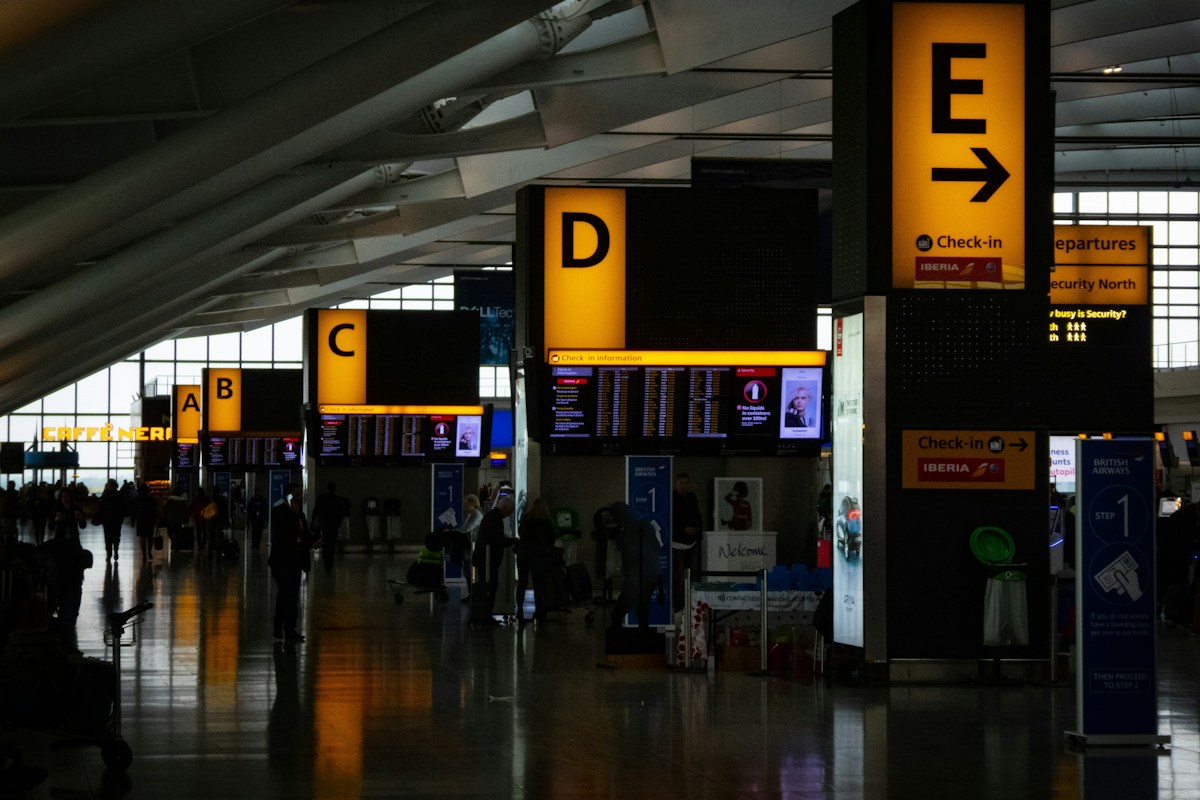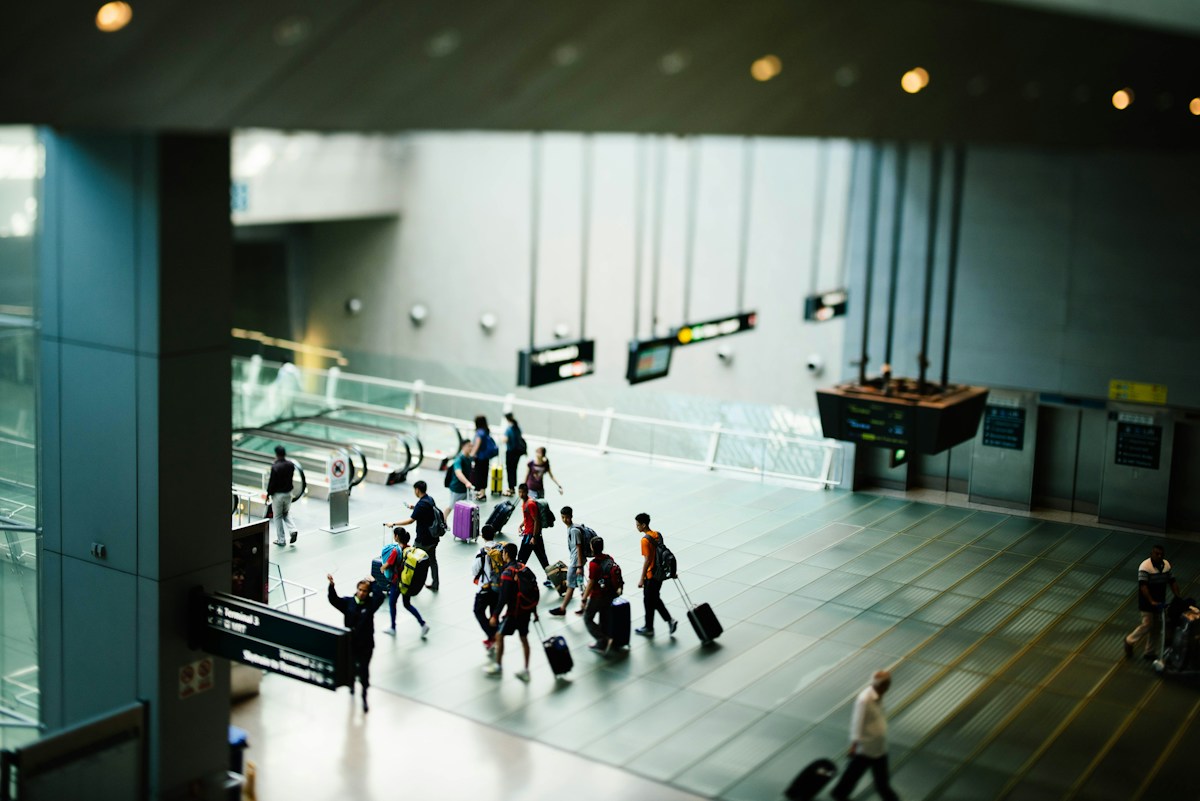
The aircraft doors open and the cabin fills with the sound of seatbelts releasing. Within four minutes, roughly two hundred people will be standing in a jet bridge with phones in hand, and the next decisions each of them makes — which corridor to follow, whether to queue for a restroom, where to meet a driver — will shape the following hour far more than the flight did. Airport arrival planning is the discipline of making those decisions before the doors open, and it breaks into three variables worth comparing deliberately: time, convenience, and support.
None of the three can be promised in advance. Immigration queues, baggage belt timing, and pickup-area congestion vary by airport, terminal, time of day, and traveler documentation status. What a prepared traveler can control is the decision sequence. The comparison below is built from published airport guidance, border-agency documentation, and service-provider terms — not from timed runs through any particular terminal.
What Arrival Time Actually Consists Of, and Why "Average" Misleads
Travelers often plan around a single number: forty minutes, say, from gate to curb. That number hides four separate segments. Deplaning and walking to the immigration hall can range from a few minutes to fifteen depending on gate position and whether a bus transfer is involved. Border processing depends on nationality, visa status, and which queue a traveler is directed to — a determination made by border officers, not by travelers or their apps. Baggage delivery begins after the aircraft is unloaded, per published airport and airline guidance. Customs clearance and the walk to the landside meeting point add the final stretch.
A useful public reference point: U.S. Customs and Border Protection publishes airport-specific wait-time data through its official Airport Wait Times tool, and those figures are historical averages by hour and terminal, not predictions for a given flight. Reading them for a specific arrival hour is more informative than trusting a general claim about "typical" delays — and the same logic applies in most countries that publish queue data at all.
The counterintuitive part: the riskiest arrivals are often the ones where everything runs fast. A traveler who clears the border in fifteen minutes but whose checked bag takes thirty-five more has no more control than one stuck in a queue. Planning should treat the slowest segment, not the average of all segments, as the anchor for pickup scheduling and onward connections.
Comparing Convenience Options: Terminal Position, Immigration Status, and Pickup Rules
Convenience at arrival is mostly about friction points, and the biggest ones vary by airport rather than by traveler preference. Some terminals place immigration before a people-mover ride; others require a train transfer before baggage claim. A reader scenario makes this concrete: a family arriving internationally with two checked bags, a stroller, and a grandparent using a wheelchair. Their sensible plan is not the fastest exit but the one with the fewest transitions — requesting wheelchair assistance through the airline in advance, confirming whether the airport's special-assistance desk sits pre- or post-immigration, and choosing a meeting point that does not require crossing a road with luggage.
Pickup logistics deserve their own comparison. Curbside pickup is rarely the right default at large international airports, many of which restrict private vehicles from the immediate curb, direct them to designated lots or cell-phone waiting areas, and publish specific meet-and-greet zones inside the terminal. Rules differ sharply: some airports permit greeters only in public landside areas, others offer paid meet-and-greet services that escort travelers from the gate. Verify the specific airport's rules and the provider's terms before booking anything.
- Documents to check before travel: passport validity rules for the destination, visa or electronic authorization status, and any onward-ticket proof required at the border.
- Accessibility: request wheelchair or mobility assistance through the airline, ideally at booking and again 48 hours before departure; ask whether the airport's assistance provider operates airside or landside.
- Language: note whether signage and forms at the arrival airport appear in a language the traveler reads; translated customs forms are common but not universal.
- Pickup communication: agree on a named meeting point, share flight numbers, and set a fallback plan for a missed connection or a delayed bag.
- Hotels and layovers: if an airport hotel or a long layover is part of the plan, confirm whether the property offers a shuttle and where it departs. Booking options can be compared through {{AWIN_MERCHANT_LINK_1}}.
Convenience also has a status dimension. Fast-track or automated border programs exist in many countries, but eligibility is set by border authorities and changes; a traveler's assumption of eligibility is not a plan. Treat every expedited channel as optional and keep a standard-process buffer in reserve.
A Preparation Plan That Holds Up Across Airports
The editorial conclusion here is deliberately modest: compare options by disclosed criteria rather than by promised outcomes. The criteria that matter most, in order, are the number of transitions between gate and meeting point, the reliability of the traveler's documentation for standard processing, and the clarity of the pickup agreement. Speed claims rank last because they are the least verifiable and the most airport-dependent.
A workable sequence looks like this. Two weeks out, confirm documents and request any assistance through the airline. One week out, look up the arrival airport's official terminal map and its published pickup and meet-and-greet rules. Two days out, share the flight number and a named meeting point with whoever is collecting the traveler, plus a contingency for delays. On landing, follow the airport's own signage first and treat third-party shortcuts with caution.
Travelers who want more structure can compare arrival-support services — meet-and-greet coordination, airport hotels, and transfer options — using {{AWIN_MERCHANT_LINK_1}} as a starting point for research, checking each provider's terms against the airport's official guidance. The comparison should always be checked against the airport, airline, border agency, or hotel directly, because those sources define the rules and change them without notice to anyone else.
Arrival planning rewards calm sequencing over cleverness. Decide the order of operations, verify the rules that apply to this specific traveler at this specific airport, and build in slack at the slowest segment. The doors still open with two hundred people standing up at once. The difference is whether each of them already knows the next three steps.