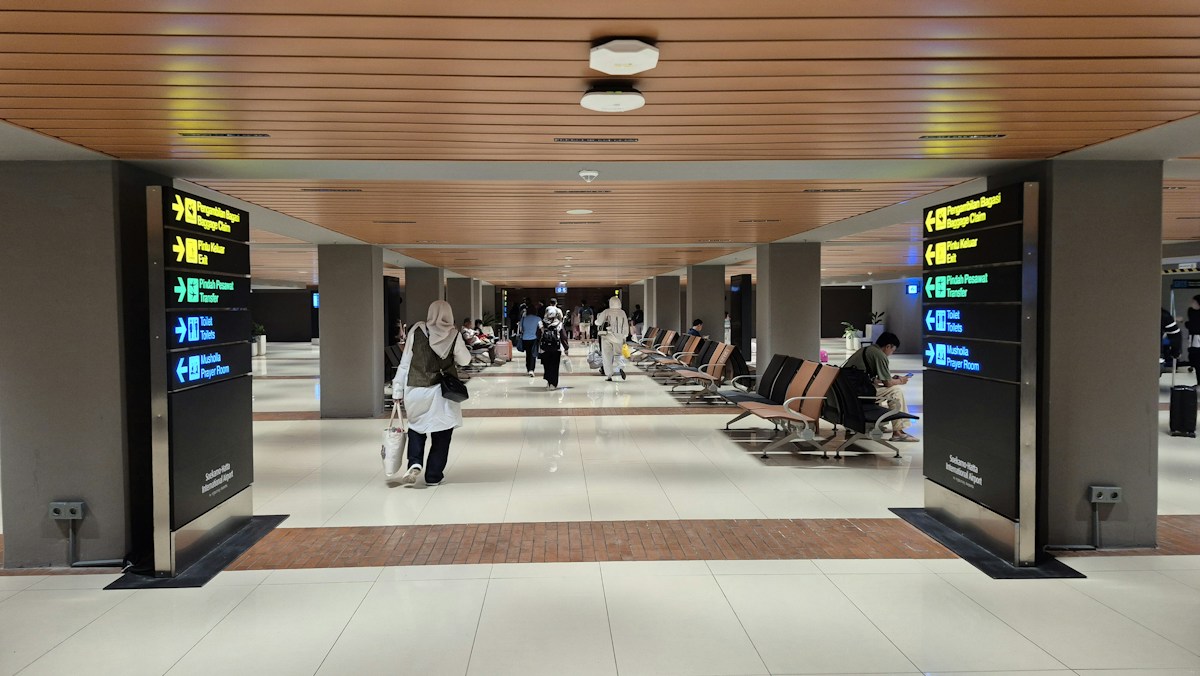
The most practical layover tip is also the least glamorous: before you book anything, confirm what your ticket actually permits. A long connection looks like free time until you discover that leaving the transit area requires a visa, that your baggage is checked through to the final destination, or that the airport hotel sits landside while you are airside with no easy way back through security. The fix is a sequence, not a hack. Read your itinerary's fare rules, then the airport's own transfer guidance, then the border authority's rules for your passport — in that order — before you decide whether a layover becomes a hotel stay or a few hours in a terminal.
Why the Ticket, Not the Airport, Sets the Boundaries
Travelers often research the airport first and the ticket last. That order is backwards. Whether you can exit, re-enter, or stay airside depends on your itinerary, your nationality, and the airport's physical layout — three variables that interact in ways no single webpage explains fully.
Consider a concrete case. A traveler flying from Europe to Southeast Asia with a six-hour connection in a Gulf hub wants a shower and a nap. If the booking is a single through-ticket, the airline typically checks baggage to the final destination, and the traveler may be able to use an airside transit hotel without clearing immigration. If the same journey was booked as two separate tickets, the traveler usually must collect bags, clear immigration, and check in again — a process that can consume a large share of those six hours. The airport is identical. The experience is not. This is the counterintuitive part: layover quality is mostly a function of ticketing and passport status, not terminal amenities.
For border rules, use official sources rather than forum guesses. The U.S. Department of State's country information pages and the destination country's embassy or immigration website state visa requirements and transit rules directly. Airport websites publish terminal maps and transfer instructions. Airline fare rules define stopover and overnight allowances. Where these sources conflict or stay silent, contact the airline in writing and keep the reply.
Planning an Airport Hotel Stay Around the Arrival Sequence
An airport hotel only works if it fits the physical sequence of arrival: disembark, follow connections or arrivals signage, clear any immigration and customs step, collect baggage if required, then reach the hotel. Each stage can vary by terminal, time of day, and traveler status, so treat any published walk time as a rough orientation rather than a schedule.
When comparing properties, ask three questions before booking. Is the hotel airside or landside? Is there a shuttle, and does it run overnight? And does the property offer day rooms or hourly bookings for short stays? Many airport hotels publish day-use options, but availability and terms change, so confirm directly with the property and through {{AWIN_MERCHANT_LINK_1}} listings where applicable.
- Check whether your fare permits a stopover or overnight, and whether re-checking baggage is required.
- Confirm the hotel's side of security and the realistic route between gate and lobby.
- Verify shuttle hours against your actual arrival and departure times, including late-night gaps.
- Ask about early check-in and day-room policies in writing, since these often carry conditions.
- Keep a digital and printed copy of your booking, passport, and onward ticket for re-entry checks.
A short checklist like this takes twenty minutes and prevents the common failure: arriving at a landside hotel with an hour to spare before boarding begins, then facing a security queue with no way to predict its length.
Accessibility, Family Needs, and Language During Long Connections
Accessibility planning deserves the same sequence-based thinking. Travelers who need wheelchair assistance, accessible restrooms, or a quieter space should request support through the airline in advance — commonly 48 hours before departure, though each carrier sets its own window — and confirm the request at check-in. Airport websites and national accessibility regulators, such as the U.S. Department of Transportation's aviation consumer pages, describe passenger rights and complaint routes. Assistance is arranged, not improvised at the gate.
Families and travelers with mobility limitations should also weigh the terminal itself. Some airports publish explicit guidance on special assistance points, family lanes, and rest zones; others bury it in PDFs. If the information is thin, that is a signal to build more buffer into the connection rather than less. Language matters too. Translated signage varies widely, so saving key phrases and the airline's local contact number offline is a small hedge against confusion.
Here the editorial conclusion is straightforward. The best layover plan is the one with the fewest unknowns, and unknowns cluster around ticketing, border rules, and physical layout. Amenities rank fourth. A lounge pass or a stylish airside hotel cannot compensate for a visa question left unresolved or a baggage rule misunderstood, and no article can promise how long immigration, security, or baggage delivery will take on a given day.
So prepare in layers. Confirm the ticket's rules. Check the airport's transfer and accessibility pages. Read the border authority's requirements for your passport. Book flexible accommodation where possible, and keep written confirmation of every assistance request. Then, at the gate, the only decision left is a small one: whether to walk to the hotel now or rest first. That is the kind of layover worth planning for — calm, documented, and honest about what remains outside anyone's control.