Most arrival-day problems are not flight problems. They happen in the junctions after the jet bridge: the passport desk, the baggage carousel, the customs exit, the curb. Travelers tend to spend their planning energy on the parts they cannot control — seat choice, delay tracking, an on-time touchdown — and leave the parts they can prepare for to chance. The argument here is simple: plan the junctions, not the flight. Arrival planning should focus on what you can actually control.
Map your arrival junction by junction, not as one blur
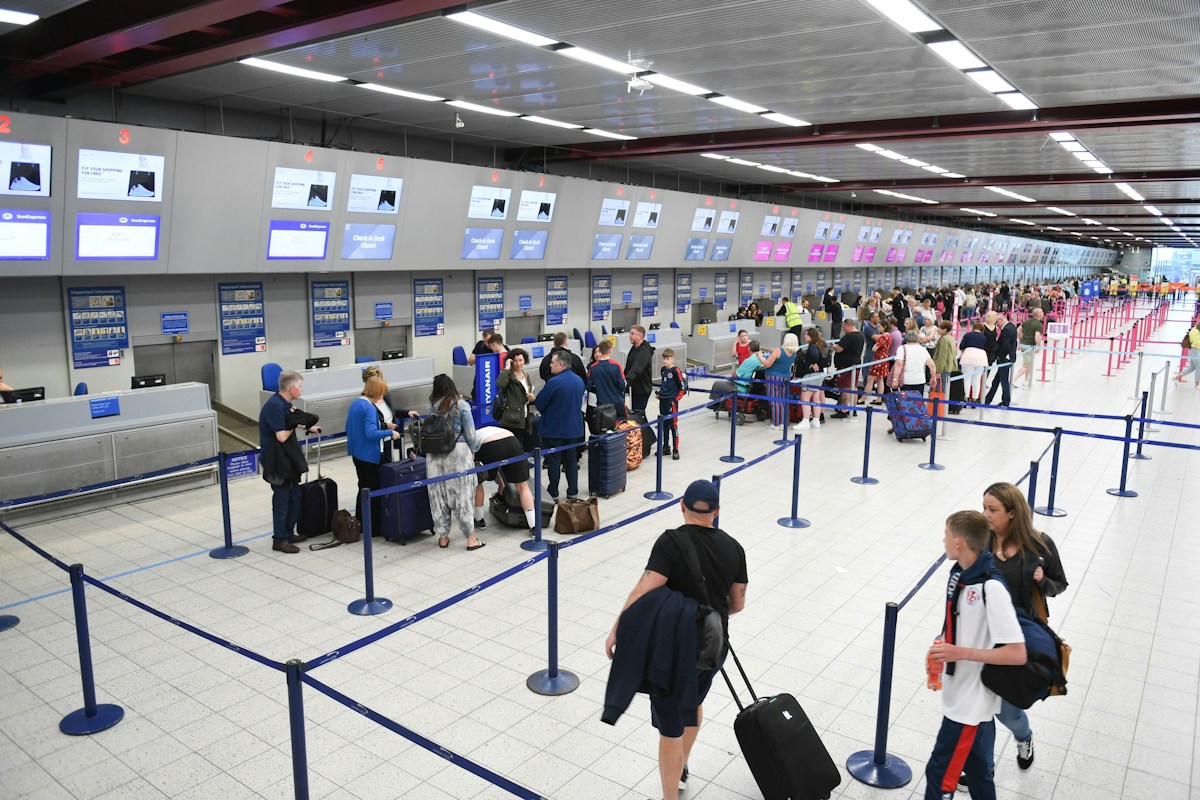
Arrival is a sequence: deplaning, border control or immigration, baggage claim, customs, then ground transport or a connection. Each stage depends on the one before it, and each varies by airport, terminal, nationality, visa status, and traveler needs. When one stage runs long, everything downstream shifts with it.
Airports themselves describe this variability. Heathrow Airport's arrival guidance splits the process into immigration, baggage reclaim, and customs as distinct steps and notes that times depend on terminal, passport type, and staffing. That is the point: no fixed queue estimate travels reliably from one airport to another. Research the sequence at your specific arrival airport rather than a generic wait-time figure.
Two concrete examples show why terminal and process details matter:
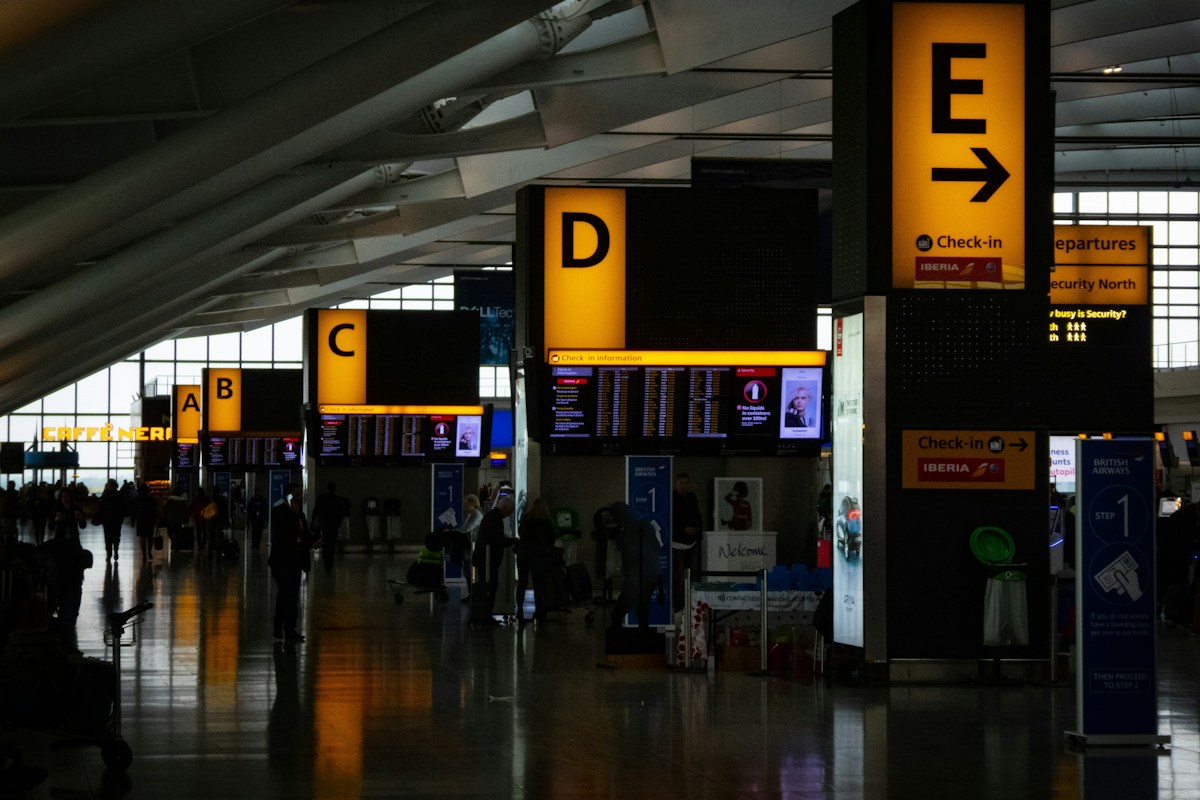
- Heathrow Terminal 5: check-in and departures sit in the main terminal building, while many arrivals use a separate arrivals hall reached by a short walk or shuttle. If someone is collecting you, the meeting point needs to be the arrivals hall itself, not the departures forecourt where they dropped you off.
- U.S. ports of entry: arriving international passengers clear U.S. Customs and Border Protection inspection, collect checked bags, and pass through customs before exiting — and travelers connecting to another flight generally re-check bags after customs. Confirm your airline's through-check policy for your specific itinerary rather than assuming.
For a traveler with a checked bag and a 90-minute train ticket, the train is the flexible part and the passport-and-baggage steps are the fixed part. Build the plan around that order and each junction becomes calmer.
Use a decision rule for fixed versus flexible onward connections
Instead of guessing, apply a simple rule. If your onward connection (train, transfer, tour) cannot be changed without losing money, treat it as fixed and build in buffer you can verify. If it can be rebooked at low cost, treat it as flexible and book it for a realistic time. A workable default: book fixed onward transport only when you can confirm, from the airport's own guidance and your airline's baggage policy, that your arrival process allows enough margin — and book flexible or refundable options when you cannot.
Two more decision rules that pay off:
- Through-check rule: if your bag is tagged to the final destination, you skip re-check at the connection; if not, add the collect-and-recheck step to your timeline. Confirm with the airline at check-in, not from memory.
- Assistance rule: if you need accessibility support from the aircraft door through immigration and baggage, request it through the airline in advance — airports vary, and it is rarely arranged at the gate.
Build a document checklist per traveler, not per bag
Border officers make entry decisions; travelers can only prepare their readiness. Check the destination country's official entry requirements for your nationality and visa type well before travel. National border authorities publish these — for example, the UK Home Office's gov.uk visa and entry guidance, or U.S. Customs and Border Protection's traveler pages — and those pages, not forum posts, are the source to trust.
Sort documents per traveler, because border control processes people individually in most jurisdictions:
- Every traveler: passport, visa or entry permit, onward ticket, accommodation address, any arrival card or health declaration the airport or airline requires.
- Families and groups: one document pouch per person, not one per bag, so no one is searching a shared suitcase at the desk.
- Business travelers: invitation letter or business documentation kept with the passport.
- Travelers needing assistance: written confirmation of the assistance you arranged through the airline.
Language is part of readiness too. Download an offline translation pack and save key addresses before departure, since arrival forms and signage may not be in a familiar language and connectivity is not guaranteed.
Close the baggage and pickup loop before wheels-down
Baggage planning starts at check-in. Confirm whether the bag is tagged through to the final destination or must be collected and re-checked, since that changes the arrival sequence entirely. Photograph the bag and tag, and read the airline's delayed-baggage reporting process in advance — airline baggage policy pages spell this out, and knowing it removes guesswork later.
Pickup coordination is the most under-planned stage. A transfer works only if driver and traveler agree on a meeting point, a communication channel, and a contingency for delays. Share the flight number, not just the landing time, and set a check-in message at baggage claim rather than at the curb. Compare transfer providers directly through their own websites and terms pages, and confirm cancellation and waiting-time terms with the provider — these vary widely and are not standardized.
A pickup message template you can adapt:
- "Flight [number], arriving [date] at [terminal]. I'll message you from baggage claim. Meeting point: [specific sign or desk in arrivals hall], backup: [second landmark]. If I'm delayed, I'll message here; if you don't hear from me within [X] minutes of landing, message me."
Keep a fallback in mind — a self-transfer option or rideshare — in case the booked pickup falls through, and confirm any special pickup permissions with the airport.
The through-line is honest expectation-setting. No article, app, or service can promise a queue time, a baggage delivery window, or an entry outcome. What you can control is the quality of preparation at each junction: documents sorted per traveler, sequence understood, pickup communication agreed, alternatives identified. Check the official airport, airline, border authority, hotel, and transfer-provider sources for your specific trip, and build the plan around what you can verify rather than what you hope will happen.